
Beyond Closing: Support For Telluride Second-Homeowners
July 9, 2026
July 9, 2026
Thinking your Telluride purchase ends at closing is easy. In reality, second-home ownership here often begins a new phase the day the deed records. If you own from out of town, you need more than a smooth transaction. You need a local plan for rentals, stewardship, timing, and future decisions. This is where ongoing support matters most. Let’s dive in.
Telluride is a year-round destination, and that matters for second-homeowners. The Telluride Tourism Board’s 2024 annual report recorded 789,575 total trips, 49% occupancy in Telluride, 43% occupancy in Mountain Village, and a $459 average daily rate in Telluride. Those numbers show why ownership value can stay closely tied to seasonal demand and visitor activity.
For you, that means post-closing guidance is not just a nice extra. It can help you make sense of shifting market conditions, rental timing, personal use plans, and future resale strategy. In a resort market, the right advice often matters long after the purchase is complete.
The Tourism Board’s 2025 annual report also points to continued efforts to attract high-value visitors and support the destination’s long-term vitality. That kind of local momentum can influence how you think about holding, using, or eventually selling your property. Ongoing updates help you stay informed without having to track every change yourself.
If you plan to rent your second home, local compliance starts quickly and continues year after year. In Telluride, the owner, property manager, or owner representative must apply for a short-term rental license before the property is advertised or rented. The Town also requires the license number to appear in rental ads.
The process does not stop once the license is issued. The Town notes that renewal delays often happen when applications include missing information or outdated MUNIRevs numbers. For an owner who spends much of the year away, those small details can create avoidable delays.
Taxes add another layer. The Town says monthly short-term rental taxes are filed through Rentalscape and are due by the 20th of the following month. For non-hotel short-term rentals, the current total monthly tax burden listed by the Town is 17.22%, divided between the Town of Telluride and the State through SUTS.
San Miguel County has its own rules as well. Under the County’s Land Use Code, anyone advertising a residential unit for short-term rental must obtain a County short-term rental permit, even if a property manager is involved. The County permit is valid for two years, the permit number must appear in advertising, and using a manager does not remove your responsibility to register and remit taxes.
Many second-homeowners assume a property manager can handle everything. In practice, local rules still leave some responsibilities with you as the legal owner. That is especially important when something changes.
For example, the Town says that if you change your property management company or owner representative, the legal owner must complete the update form. The Town also says any taxes owed by the previous property manager must be remitted before the update can be submitted.
If you sell, the rental license does not move with the property. The Town says licenses cannot be transferred to a new owner and must be closed when the property is sold or when short-term renting stops. That makes clean coordination important when your ownership plans change.
A strong local advisor can help you connect the dots between broker, manager, tax process, and license calendar. That kind of coordination reduces friction and helps you avoid the common handoff problems that happen when several parties are involved.
Owning in Telluride is also about day-to-day stewardship. San Miguel County’s “Being a Good Neighbor” guidance highlights practical issues that affect mountain properties, including on-site parking, occupancy limits, noise, steep roads, wildlife activity, and fire danger.
These are not abstract concerns for an absentee owner. The County says the local contact person or property owner should address concerns. If you are not in the valley full time, having responsive local support becomes part of protecting both your property and your ownership experience.
The Town’s short-term rental information packet reinforces that point. It states that the owner or owner’s representative should be available as an on-call contact while the property is rented, and renters should be informed about parking, bears, trash and recycling, pets, and noise.
This is where local relationships can make ownership easier. A well-connected broker can help introduce trusted property managers and service providers so your home stays cared for between visits, during guest stays, and through seasonal transitions.
Mountain ownership comes with a seasonal rhythm. Snow access, turnover coordination, routine checks, and seasonal readiness all take planning, especially if your property is vacant part of the year.
Environmental conditions matter too. San Miguel County’s outdoor air-quality guidance says open burning generally requires a permit, and in the Telluride Air Quality Region, burn permits are issued only from October 1 through May 30. The County also notes that air-quality issues can be affected by wildfires, construction, heaters, and regional inversions.
That means responsible ownership is not just about the house itself. It is also about staying current on seasonal conditions and local rules that can affect how you maintain and use the property. For second-homeowners, local support helps turn that complexity into a manageable routine.
If you want to improve your home after closing, local approvals matter. The Town says all exterior changes, including doors and windows, begin with a HARC application. After HARC approval, the building permit application is submitted online through SmartGov, and inspections are then scheduled through that portal.
Timing matters because codes and local regulations can change. The Town notes building code updates adopted in September 2025, and San Miguel County says its Land Use Code is updated quarterly beginning in 2025. If you are planning upgrades from out of town, local guidance can help you line up scope, approvals, and timing more efficiently.
This is another reason post-closing relationships matter. A property purchase may open the door to remodeling, maintenance, or future repositioning. Having a trusted local advisor helps you approach those next steps with better context.
Your rental strategy can also shape how you use and eventually sell the property. In Telluride’s Residential Zone, short-term rentals are limited to three rentals per year and a cumulative maximum of 29 nights. Long-term rentals are allowed throughout Town, but in the Residential Zone they are limited to three long-term rentals per calendar year.
The Town also requires a Residential Rental Affidavit before the next year’s license can be issued. That affidavit records the prior year’s rental frequency and total nights. For owners balancing personal use, rental income, and long-term flexibility, those details matter.
Because licenses do not transfer, and because usage history can affect planning, it helps to think ahead. A future sale, a shift away from short-term rental use, or a renovation cycle all benefit from careful timing. In Telluride, those decisions rarely happen in isolation.
In many markets, the broker relationship fades after closing. In Telluride, second-home ownership often calls for something more durable. The local rules, seasonal demands, and future planning decisions create real value in having a knowledgeable advisor who stays available.
That does not mean your broker replaces a property manager, contractor, or accountant. It means you benefit from having a trusted local point of contact who understands how these pieces fit together in this specific market.
For high-value second homes, that kind of support is practical, not promotional. It helps you protect your time, reduce avoidable surprises, and make better decisions as your property goals evolve.
If you are buying, owning, or planning your next move in Telluride or Mountain Village, a relationship-first approach can make the experience smoother from day one through whatever comes next. To schedule a private consultation, connect with Chris Sommers.
Stay up to date on the latest real estate trends.

Specializing in upscale residences, condominiums, and ranches, Chris is a seasoned broker known for his professional approach. His success is driven by continuous client communication, continuous market trend analysis, and strategic identification of target markets.
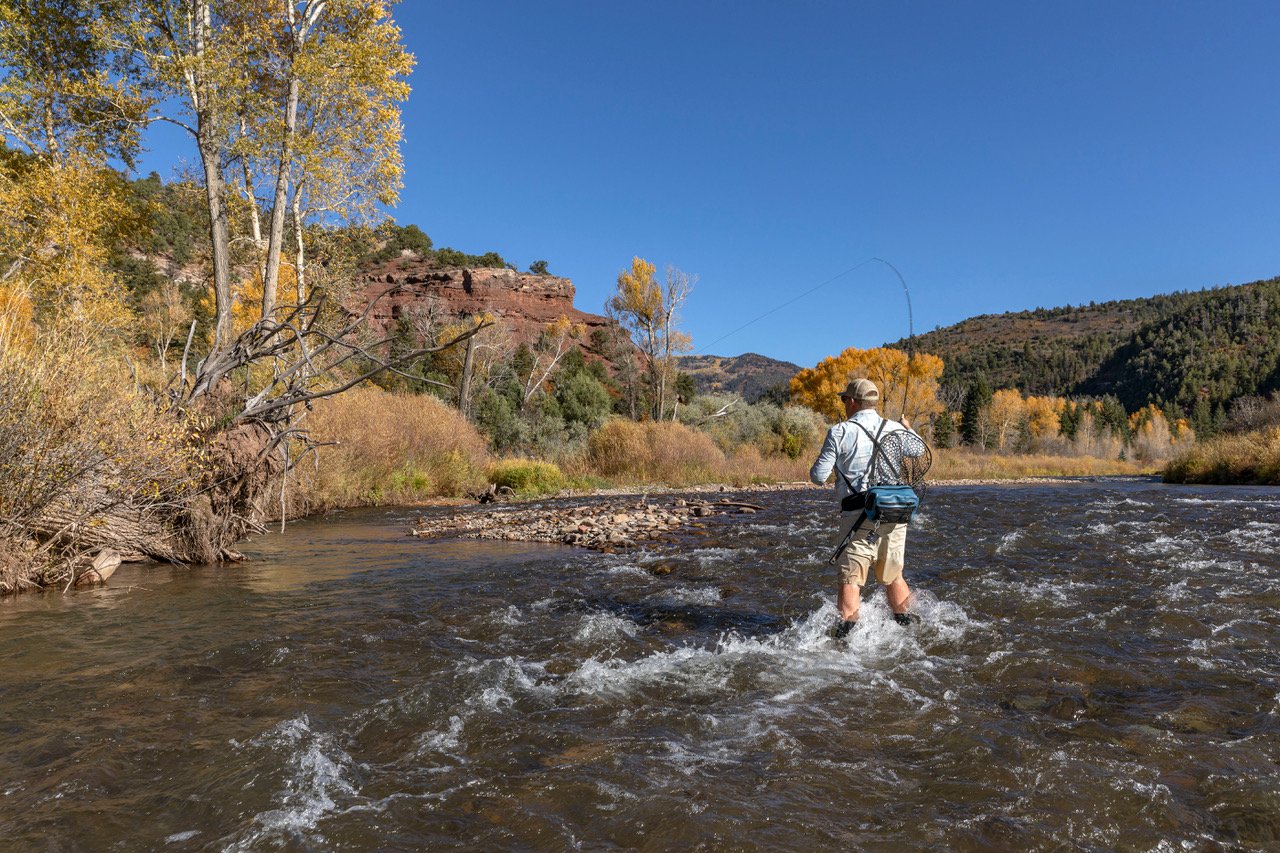
Mid-cast Action Shot

Trophy Catch
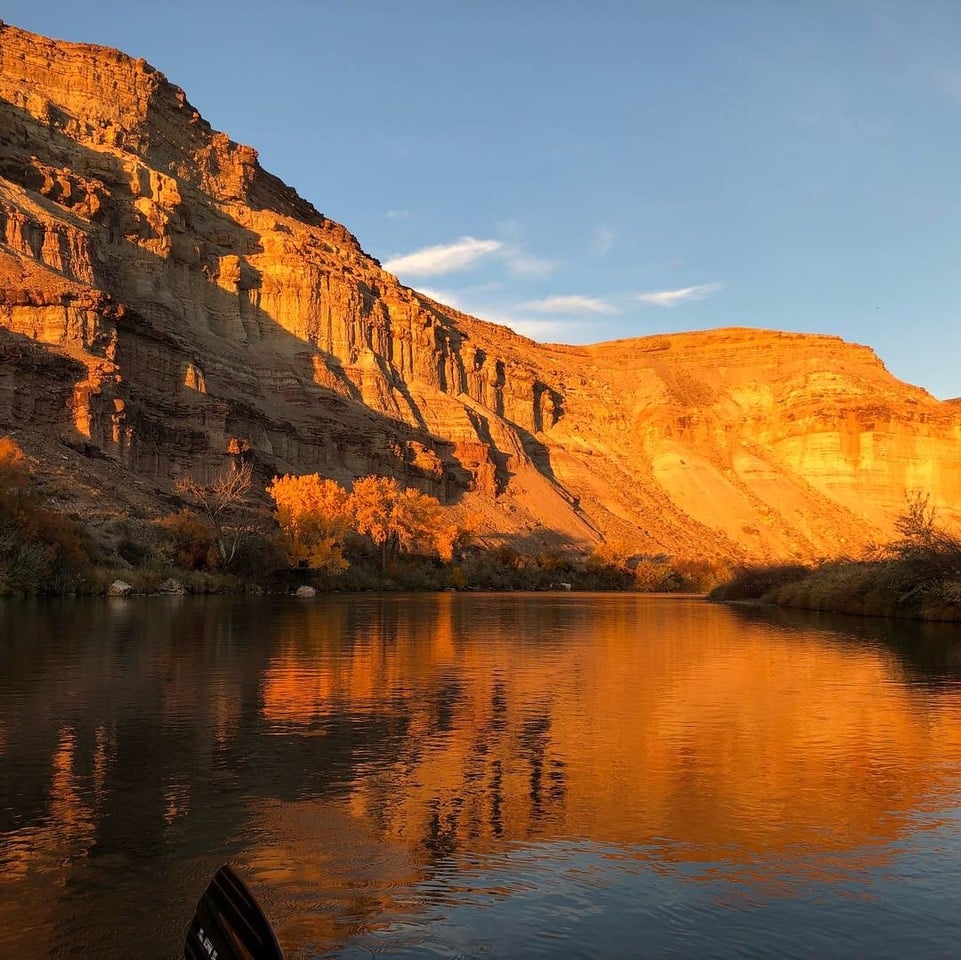
Golden-hour canyon, no face needed.
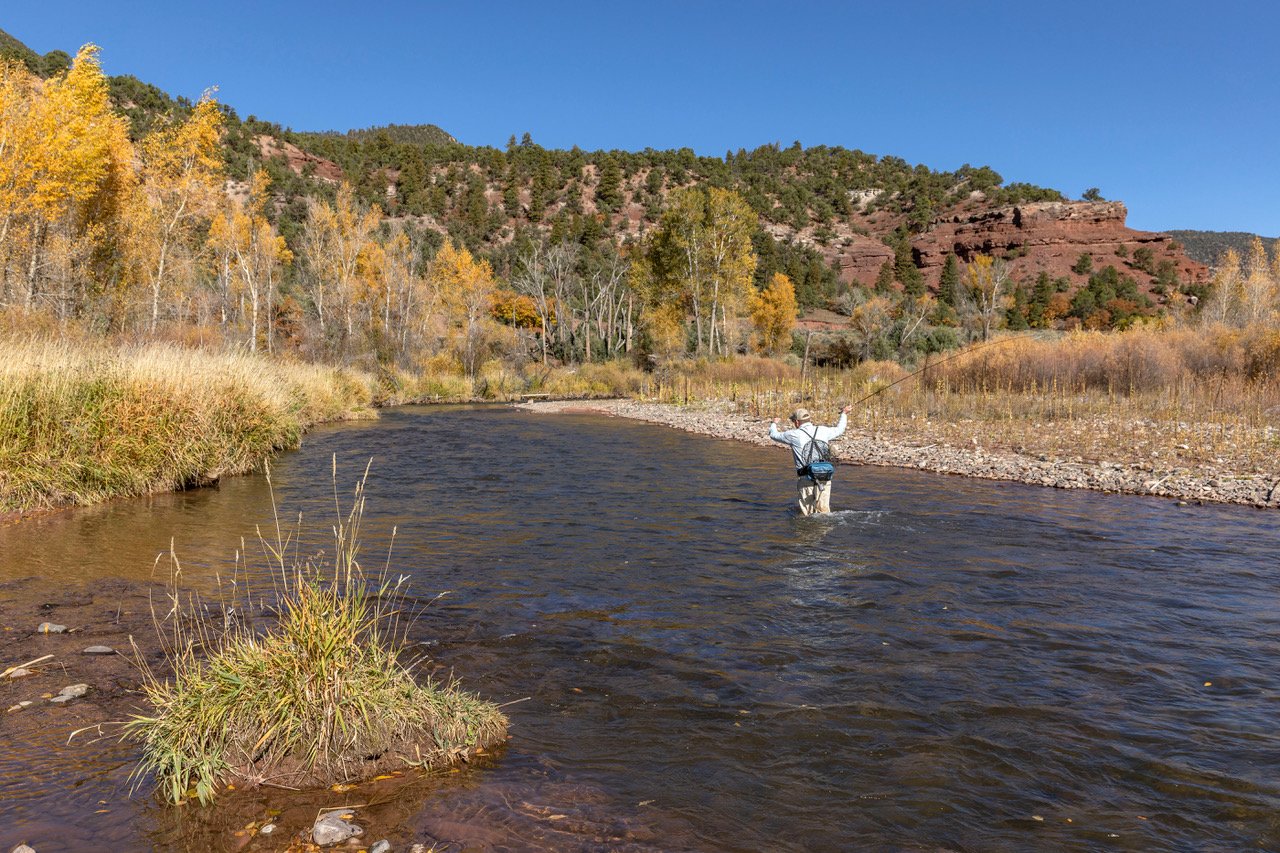
Wide scenic, red-rock backdrop
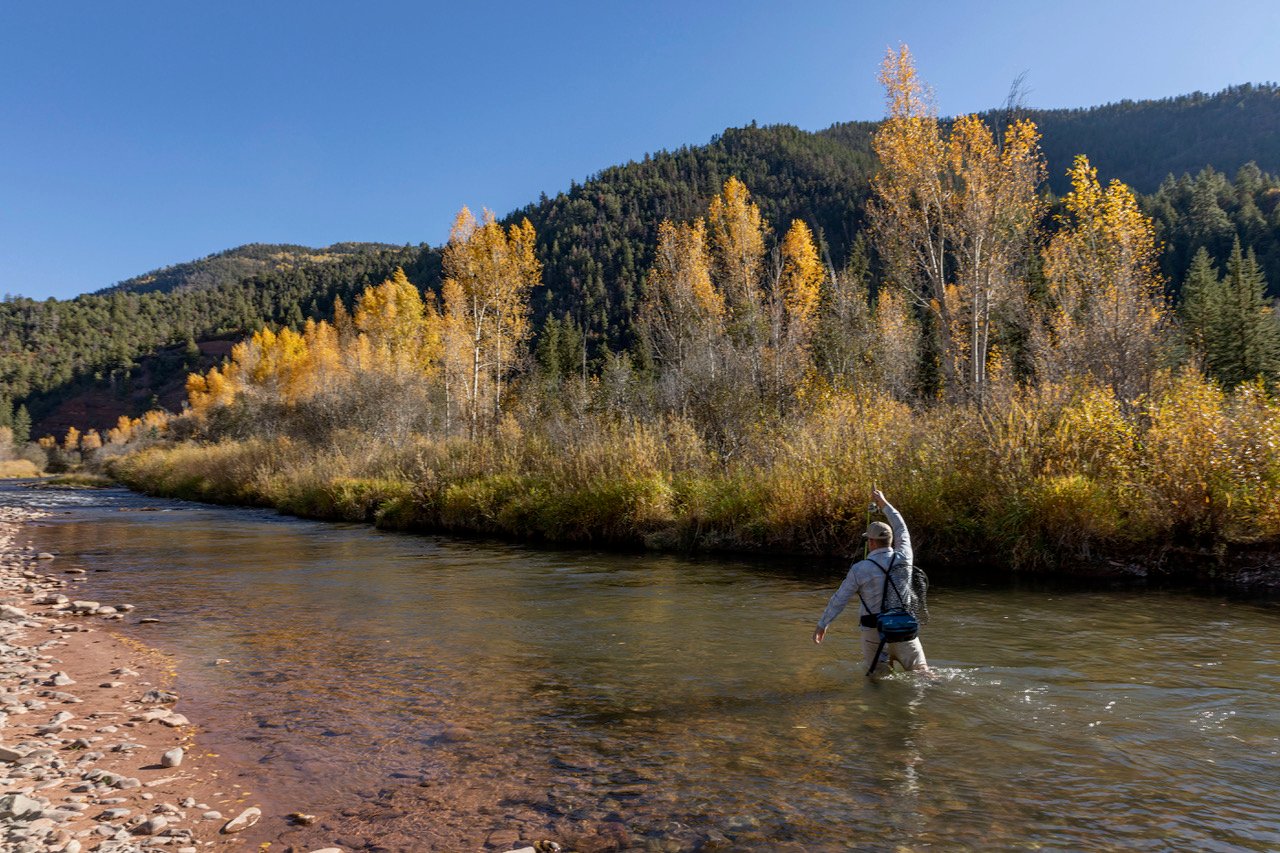
Dynamic hookset moment.