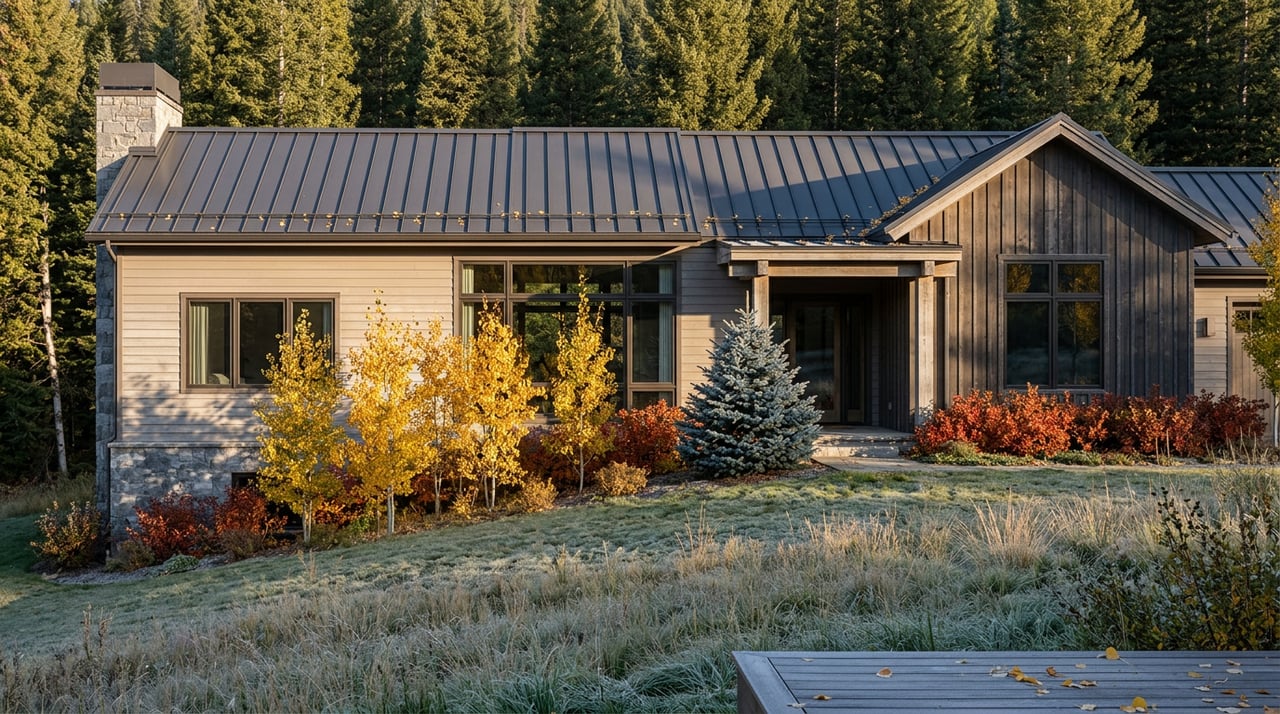
Telluride's Hunting Season Has a Ten-Day Gap. Locals Plan Around It.
September 24, 2026
September 24, 2026
The elk start up before the sun does. On a September morning on Aldasoro Ranch, a resident walking her dog off Last Dollar Road hears the first bugle from somewhere in the aspen below the trail, then another answering from higher ground near the airport mesa. She clips the leash on without thinking about it. The trail she's on closes to off-leash use every night between dusk and dawn, a rule that has nothing to do with what season it is. It's a standing wildlife closure that runs nine months out of twelve.
This is what living with elk actually looks like in late September, and it is not the picture most hunting-season advice gives you. The generic version treats the fall months as one long stretch where you either avoid the woods or wear orange from Labor Day to Thanksgiving. The real calendar, the one Colorado Parks and Wildlife actually publishes, is more specific than that, and the difference matters if you're trying to figure out when to actually plan a high-country day this fall.
Colorado's big game seasons for 2026 run on a fixed structure, and elk in the units around Telluride follow it: archery from September 2 through September 30, muzzleloader from September 12 through September 20, and then four separate rifle seasons spread across five weeks in October and November.
| Season | 2026 Dates |
|---|---|
| Archery | Sept 2 – Sept 30 |
| Muzzleloader | Sept 12 – Sept 20 |
| Rifle 1 | Oct 14 – Oct 18 |
| Rifle 2 | Oct 24 – Nov 1 |
| Rifle 3 | Nov 7 – Nov 15 |
| Rifle 4 | Nov 18 – Nov 22 |
Muzzleloader closed yesterday. Archery still has nine days left, and it happens to be running through the exact window when the elk rut peaks, which is why archery season is so prized among hunters in the first place. Bulls are bugling and moving in daylight right now in a way they won't be again until next September. That's also why a hiker on Aldasoro or up toward the Wilson plateau this week is more likely to hear elk than at almost any other point in the year, hunting season or not.
What most people miss is the ten days after archery closes. Rifle season one doesn't open until October 14, which means there is a genuine gap, no archery, no muzzleloader, no rifle, from October 1 through October 13. It's the quietest stretch of the fall calendar in terms of hunting pressure, and it lands right in the middle of peak aspen color at elevation. Locals who track the actual dates, rather than treating "hunting season" as one undifferentiated block, use that gap week for the high-country days they'd otherwise put off.
The rifle windows are where the character of the woods genuinely shifts, and it's worth being precise about why. Colorado requires hunters to wear a minimum of 500 square inches of daylight fluorescent orange, visible from all directions, during rifle and muzzleloader seasons. That's a legal requirement for the person carrying the gun. It is not a legal requirement for a hiker or a dog walker. Colorado doesn't mandate blaze orange for non-hunters the way a few other states do.
That distinction gets lost in a lot of general hunting-season advice, but locally it shapes actual behavior. The practice around Telluride is that hikers and trail runners wear orange anyway, not because the state requires it but because it's the visible signal that keeps everyone comfortable sharing the same public land. Telluride Rowdy Dogs, the local dog-walking service, tells clients directly that dressing dogs in blaze orange from September through November is standard practice here, since a dog moving through brush at dawn or dusk can be mistaken for game at a distance. It's a small, specific, entirely local habit, not a statute, and it's one of the clearest signs of how residents actually navigate this overlap.
There's also something new for 2026 worth knowing if you're out on a rifle-season morning and see a hunter pulled over at a trailhead with a cooler. CPW now requires mandatory submission of a CWD test sample, the head, from every elk taken during a rifle season under a selected hunt code, to track chronic wasting disease in the herds. Testing is free where it's required. There's no equivalent mandatory testing for deer this year. It's a small procedural shift, but it's the kind of detail that tells you this fall isn't a rerun of last fall's rules.
Here's the part that trips people up most: some of the trail restrictions locals mention every fall aren't hunting rules at all. They're wildlife corridor management that happens to overlap with hunting season on the calendar without being caused by it.
The Aldasoro Trail, the one near the airport that connects to Remine Creek and eventually the Galloping Goose corridor, closes nightly from dusk to dawn every year from March 16 through December 14, specifically to let elk and deer move through bisected habitat without human traffic in low light. It also closes entirely, all day, from December 15 through March 15 to protect winter range. Neither window is a hunting closure. The dusk-to-dawn rule is in effect in July just as much as it is in October, and it will still be in effect after the last rifle season ends on November 22.
The nearby Breckenridge Trail, known locally as Penelope's Trail, above Last Dollar Road and the regional airport, runs the identical schedule: closed dusk to dawn March 16 through December 14, closed entirely December 15 through March 15.
Bridal Veil Trail, out past Idarado toward the falls, has its own separate seasonal closure from December 1 through April 30. That one doesn't overlap with hunting season at all. It starts nine days after the last rifle season closes and it's about winter access and the falls themselves, not game.
The practical upshot: if you hear a neighbor say a trail is "closed for hunting season," it's worth checking which rule they actually mean. Some of what looks like a hunting-driven closure is a standing habitat rule that would be there whether or not a single hunter set foot in the county this year.
None of this means avoiding the outdoors for two months. It means reading the specific weeks. Archery season, through September 30, is loud with elk activity but requires no blaze orange by law, so people out at dawn or dusk lean toward staying visible and keeping dogs close rather than staying home. The October 1 through 13 gap is the quietest window of the fall and the one locals treat as a bonus stretch for high-elevation days before the first rifle season starts. Each rifle week, October 14-18, October 24 through November 1, November 7-15, and November 18-22, is when orange comes out, dogs get an orange vest or bandana, and people tend to shift hikes toward midday, since dawn and dusk are when both elk and hunters are most active in the same terrain. In between the rifle weeks, the woods go quiet again.
It's a rhythm, not a blackout, and it's one more piece of the texture of a place where elk still move through neighborhoods and open space that happen to sit a few miles from million-dollar view lots. Knowing the actual weeks, not just the vague idea of "fall hunting season," is the difference between avoiding your favorite trail for two months and using it well on the nine days out of every fourteen that don't require a second thought.
If you're the kind of person who wants that level of detail before you even think about buying here, that instinct will serve you well when it's time to look at property. Chris Sommers has spent more than two decades learning which local rules are worth knowing before you commit to a piece of land in this valley. If a conversation about Telluride or Mountain Village real estate is somewhere on your horizon, schedule a private consultation whenever the timing is right for you.
Stay up to date on the latest real estate trends.
Specializing in upscale residences, condominiums, and ranches, Chris is a seasoned broker known for his professional approach. His success is driven by continuous client communication, continuous market trend analysis, and strategic identification of target markets.
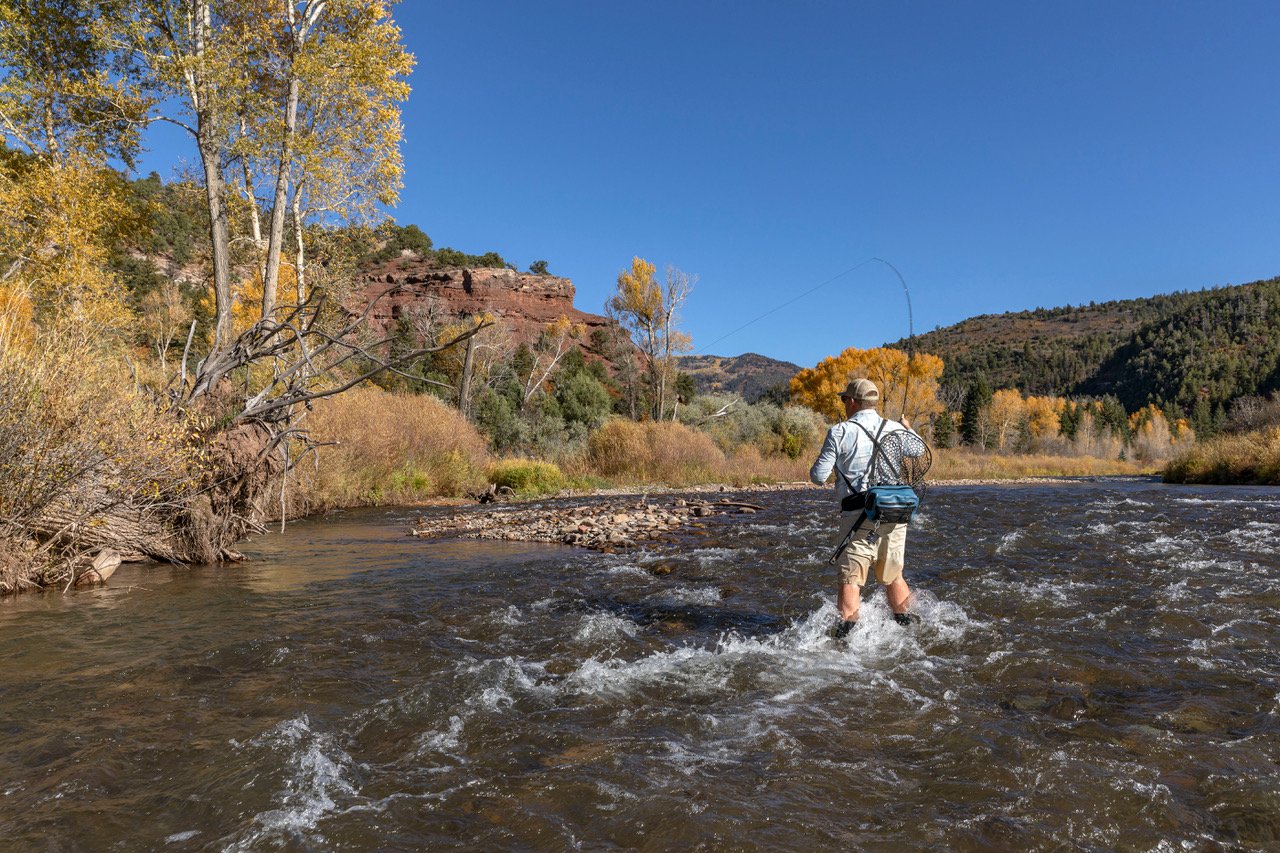
Mid-cast Action Shot
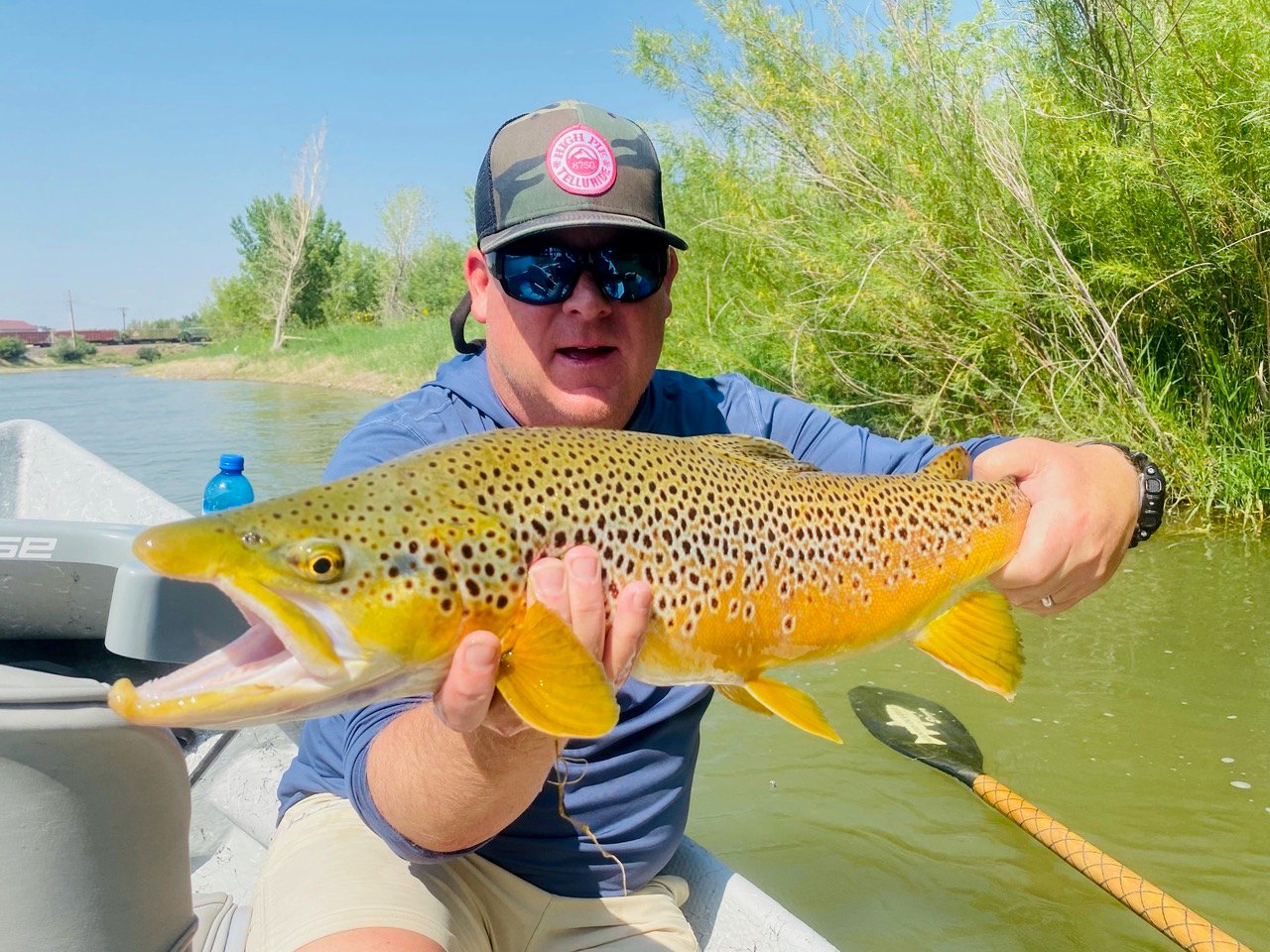
Trophy Catch
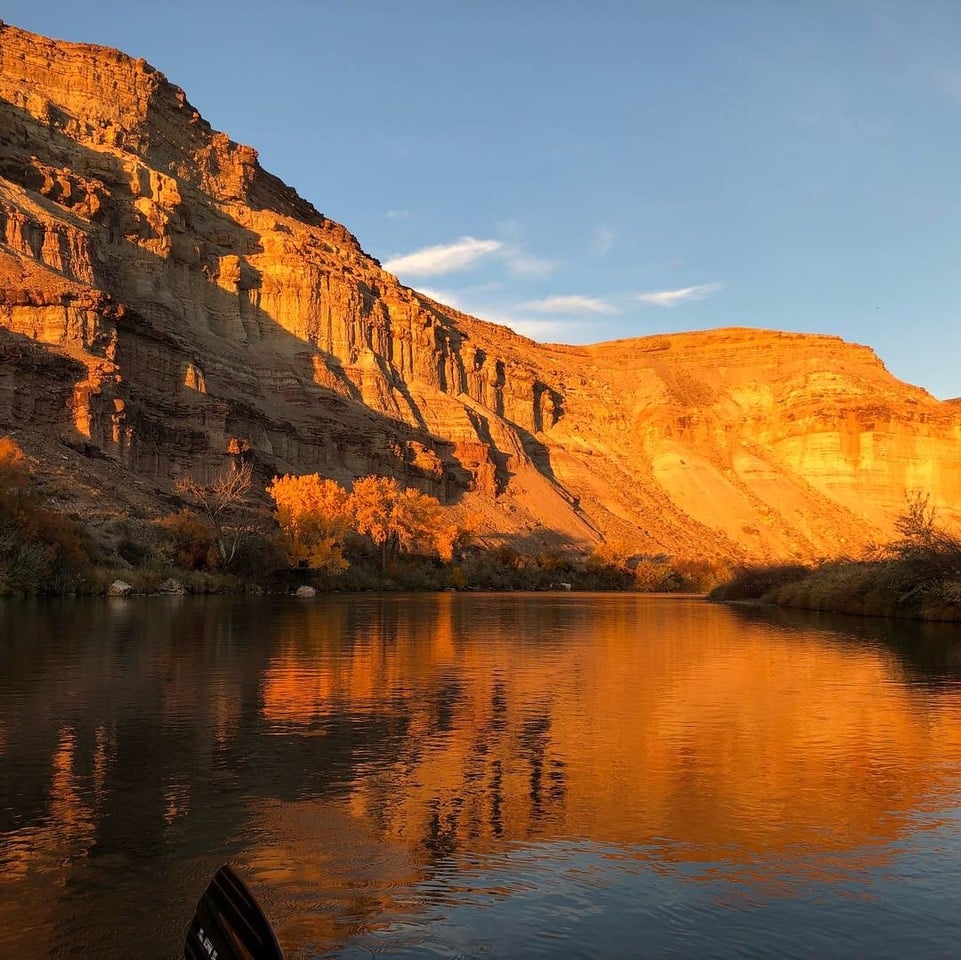
Golden-hour canyon, no face needed.
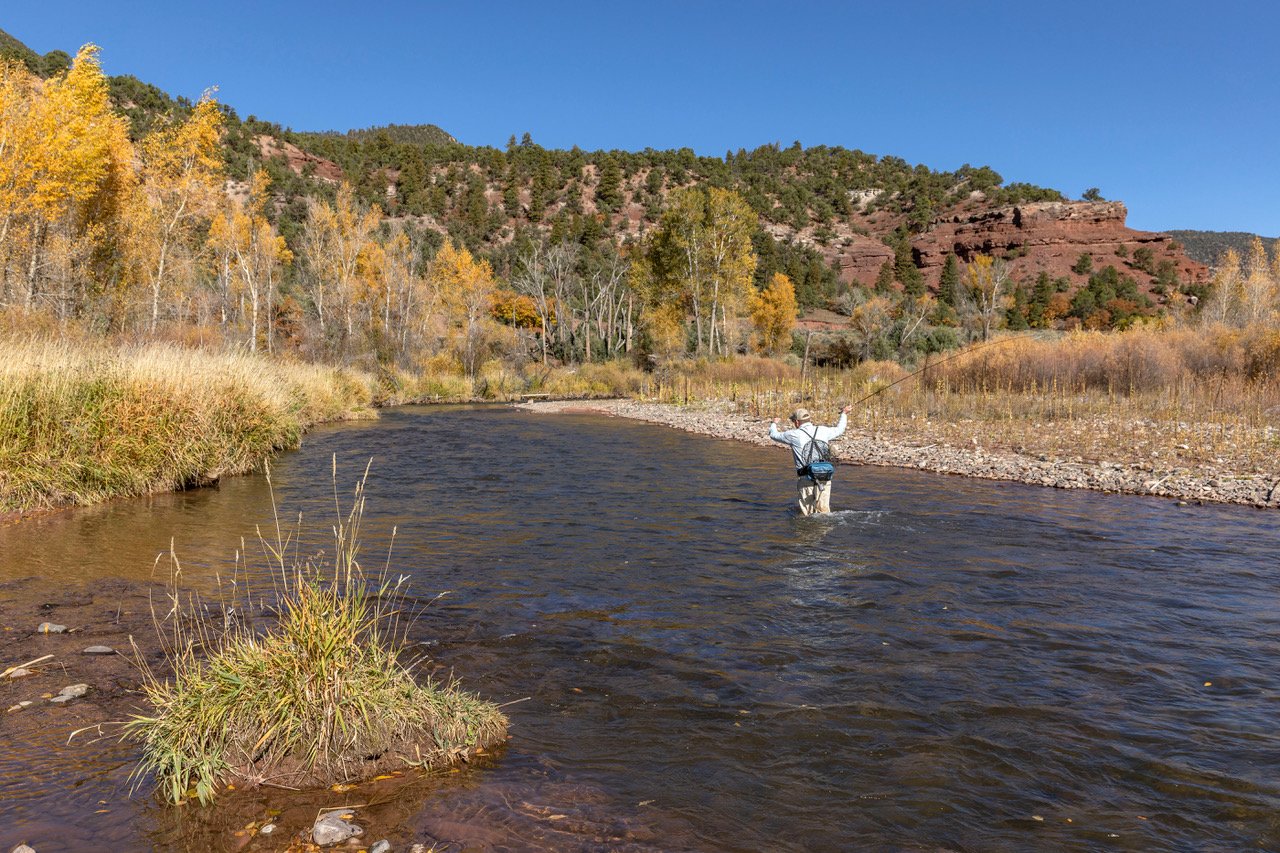
Wide scenic, red-rock backdrop
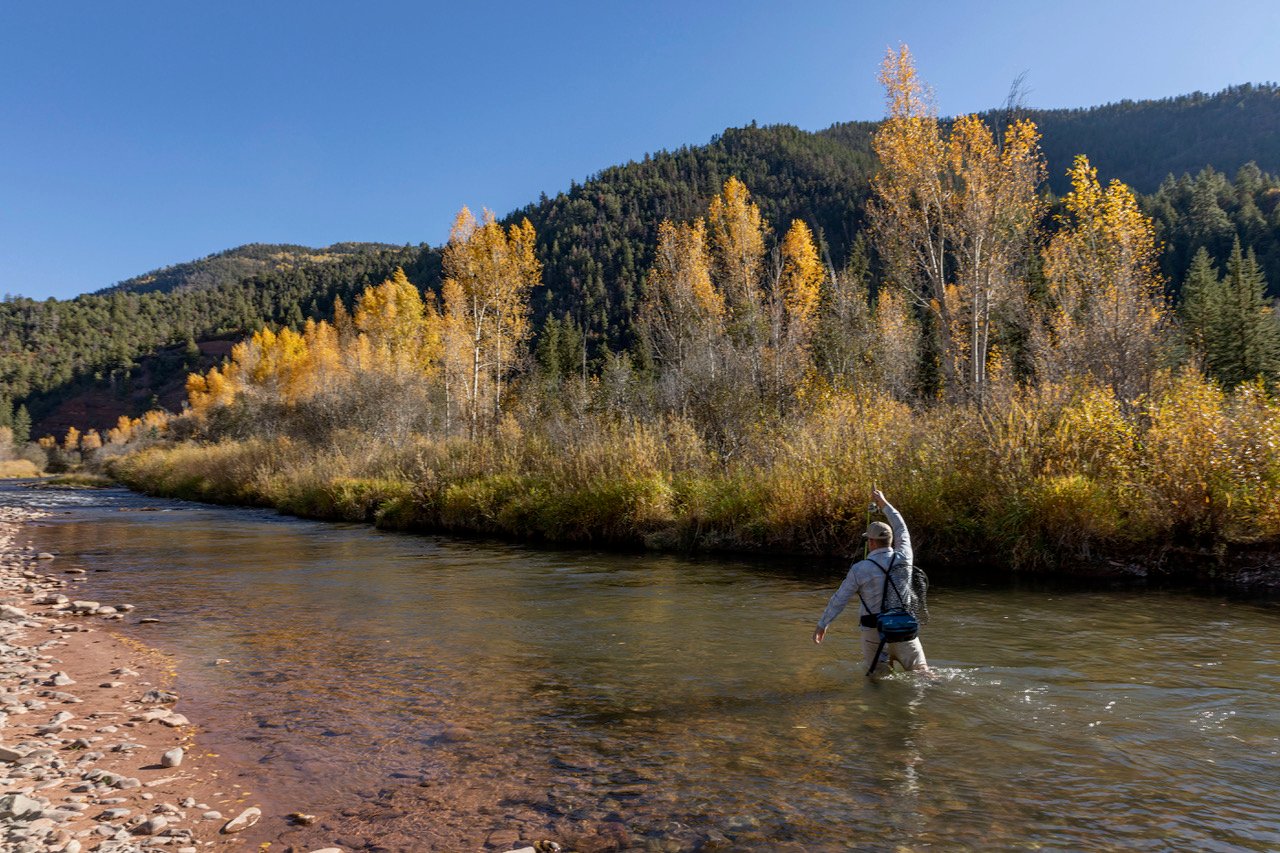
Dynamic hookset moment.