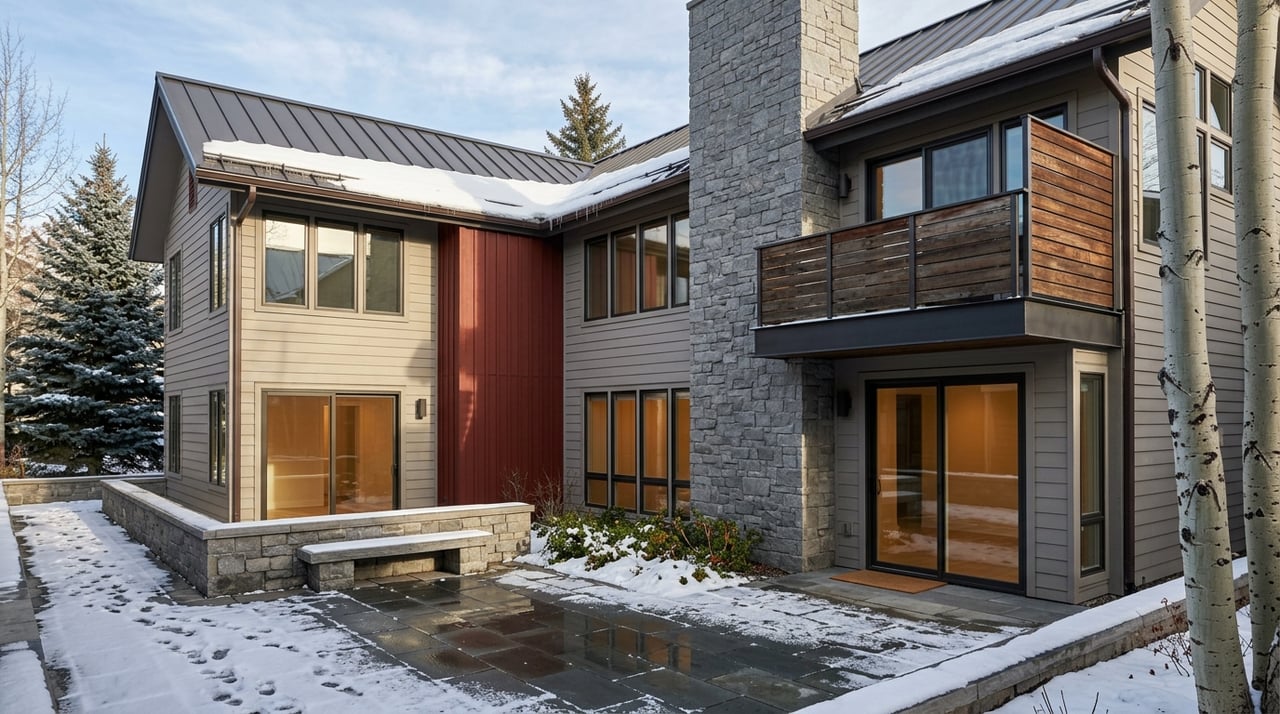
Condo, Townhome, Or House In Telluride: How To Decide
May 21, 2026
May 21, 2026
Trying to choose between a condo, townhome, or house in Telluride? The right answer is not just about square footage or style. In this market, your day-to-day lifestyle, maintenance tolerance, privacy needs, and rental plans can all point you in different directions. If you want to buy with more clarity and fewer surprises, it helps to understand how ownership, zoning, HOA rules, and local review processes work here. Let’s dive in.
In many markets, choosing a condo, townhome, or detached house is mostly a lifestyle decision. In Telluride and the surrounding area, that choice can also affect how much maintenance you handle, how much privacy you have, and how easily a property fits your rental goals.
That is especially important because rental use here is often shaped more by location, zoning, and licensing than by the label on the listing. A condo may seem like the obvious rental candidate, but the actual rules depend on whether the property is in the Town of Telluride, Mountain Village, or unincorporated San Miguel County.
A condo is usually a privately owned unit inside a larger building or community. You typically own the interior of your unit, while shared areas like roofs, exterior walls, hallways, and amenities are often maintained by the association.
That setup can make condos appealing if you want a more lock-and-leave property. If you travel often or want less exterior upkeep, a condo can offer a simpler ownership experience, though you will usually have HOA dues and shared rules to follow.
A townhome is usually a multi-level home that shares one or two walls with neighboring units. It often has a private entrance and may feel more like a house than a condo, while still including some shared maintenance responsibilities.
For many buyers, a townhome sits in the middle. You may get more separation and usable space than a condo, but you still may rely on an HOA for exterior maintenance, snow removal, or common-area care.
A detached house is a stand-alone home, which usually gives you the most privacy and the most control over daily living. It can also mean the most hands-on maintenance, since you are often responsible for both the interior and exterior.
That said, a detached home is not always free from shared rules. Some houses are still part of an HOA or planned community, so it is important to confirm what is actually covered and what approvals may still apply.
One of the biggest practical differences is maintenance. In Colorado common-interest communities, associations are generally responsible for maintenance, repair, and replacement of common elements, while owners are responsible for their own units.
Regular assessments often help pay for maintenance, landscaping, insurance, legal fees, and registration fees. Special assessments may be used for major repairs, new construction, or reserve funding, which is why reviewing HOA documents carefully matters before you buy.
Here is the simple version:
If your ideal Telluride ownership experience includes arriving for a ski weekend and not thinking much about exterior maintenance, a condo may feel like the easiest fit. If you want more separation or outdoor space and do not mind additional responsibilities, a townhome or house may suit you better.
Privacy often increases as you move from condo to townhome to house. Condos usually have the most shared walls and common spaces. Townhomes often offer a bit more separation, while detached homes usually provide the most private setting.
Control tends to follow the same pattern, but it is never absolute. HOA rules can affect exterior paint, landscaping, parking, structural changes, and other visible improvements, even in communities that feel more independent.
That is why buyers should review CC&Rs and bylaws before making assumptions. If you are planning updates, storage changes, pet use, or a different way of using the property, the documents matter as much as the floor plan.
For many buyers, rental potential is part of the decision. In Telluride, it is essential to understand that short-term rental rules are driven more by zoning and licensing than by whether a property is a condo, townhome, or house.
A detached home is not automatically more flexible than a condo. A condo is not automatically approved for nightly rentals. The legal framework depends on the property’s exact location and zone district.
The Town of Telluride uses different short-term rental license types based on zoning and use. In residential zones, properties need a Residential License and are limited to three short-term rentals per year totaling no more than 29 days.
In non-residential zones, a Classic License has no annual night cap, while a Limited License allows no more than 29 nights per calendar year. The town also has a Mid-Term License for rentals of more than 29 nights but less than six months, and a Long-Term License for rentals over six months.
The town also requires a business license before advertising a rental. The license number must appear in advertising, and the owner or the owner’s representative must be available 24/7 while the property is rented.
Another important detail is transferability. In Telluride, an existing short-term rental license does not transfer on sale, so buyers should verify current rules and next steps instead of assuming a seller’s setup will carry over.
If a property is outside the town limits, San Miguel County may control rental use instead. The county requires a short-term rental permit for single-family residences, condominiums, and duplexes in unincorporated areas when they are rented for less than 30 consecutive days.
The permit number must appear in advertising, and the owner must provide a 24-hour local contact. The county also makes clear that owners remain responsible even if a property manager or online platform handles bookings.
Mountain Village adds another layer. The town has multiple zoning designations, including several that apply to condo-type units, and those designations can carry different rules for use, configuration, and parking.
Some unit types are intended primarily for short-term accommodation, while condominium designations may be treated differently from hotel or lodge categories. That is why the exact zoning designation matters so much when rental income is part of your plan.
If you are buying with plans to remodel, expand, or update exterior features, Telluride’s review process deserves close attention. In the Town of Telluride, the Historic and Architectural Review Commission, or HARC, issues Certificates of Appropriateness before permits are issued for erection, demolition, moving, renovation, restoration, addition, or alteration of structures or signs.
The town also states that exterior changes, including doors and windows, require a HARC application before a building permit is submitted. That can affect condos, townhomes, and houses alike, depending on the property and the scope of work.
This is another reason a detached house does not always equal total freedom. If you value design control, it is wise to confirm both local review requirements and any HOA approval process before you close.
The best choice often comes down to how you expect to use the property. In a market like Telluride, matching the ownership structure to your lifestyle is usually more important than following a general rule of thumb.
If you want to make a confident decision, these are the questions worth asking early:
These answers can quickly narrow the field. In Telluride, the better investment is often the property that fits your intended use cleanly under current local rules, not just the one that looks best on paper.
Condos tend to offer the easiest maintenance profile. Townhomes often provide a balanced middle ground. Detached houses usually deliver the most privacy and autonomy.
But in Telluride, that simple comparison only goes so far. Zoning, HOA documents, historic review, and rental licensing can expand or limit a property’s advantages in ways that matter just as much as the property type itself.
If you are weighing options in Telluride or Mountain Village, a careful property-by-property review can save you time and help you buy with confidence. For tailored guidance on how a specific condo, townhome, or house aligns with your lifestyle and ownership goals, schedule a private consultation with Chris Sommers.
Stay up to date on the latest real estate trends.
Specializing in upscale residences, condominiums, and ranches, Chris is a seasoned broker known for his professional approach. His success is driven by continuous client communication, continuous market trend analysis, and strategic identification of target markets.

Mid-cast Action Shot

Trophy Catch
Golden-hour canyon, no face needed.

Wide scenic, red-rock backdrop

Dynamic hookset moment.