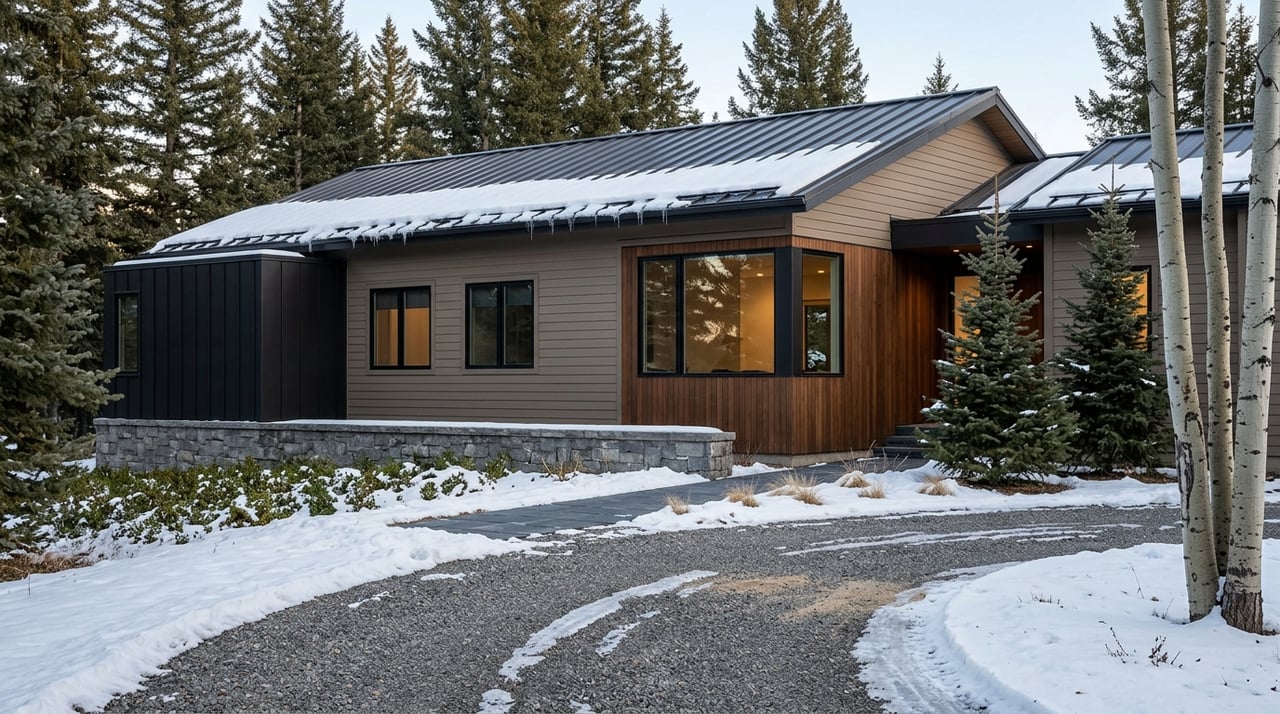
Telluride In-Town Estate Or Nearby Ranch Retreat?
June 11, 2026
June 11, 2026
Choosing between an in-town Telluride estate and a nearby ranch retreat is not just about square footage or views. It is really a choice between two very different ways to live in the Telluride area. If you are weighing convenience against privacy, or everyday access against acreage and stewardship, this guide will help you sort through the tradeoffs and decide which setting better fits your long-term vision. Let’s dive in.
Telluride is a small mountain community with a distinct footprint. The town’s 2020 community profile lists 2,608 residents, while San Miguel County lists 8,068 residents. That difference matters because owning in town is fundamentally different from owning acreage in the surrounding county.
In-town Telluride sits within a National Historic Landmark District. According to the town’s Historic Preservation office, development is regulated through design review to protect the district’s integrity. A ranch or acreage property outside town typically brings a different set of approvals, land-use considerations, and operational needs.
For many buyers, in-town ownership stands out for one reason: ease. Telluride has a free Galloping Goose loop through town, a free year-round gondola connecting downtown Telluride to Mountain Village, and regional transit beyond the valley. The Telluride Regional Airport is also about seven miles from town.
That transportation network can make everyday movement feel unusually simple for a mountain market. You may be able to get to dining, shops, recreation, and the gondola without relying on a private vehicle for every trip. For second-home owners and guests, that can translate into smoother arrivals and easier daily routines.
The appeal of an in-town estate often comes down to immediate use. Public lots and garages are located near shops, restaurants, and the gondola, according to the town’s parking information. Telluride’s Parks & Recreation department also maintains parks, trails, fields, and recreation programs that are woven into town life.
If you value being part of Telluride’s civic and cultural core, this setting often supports that well. You can step into a more walkable, transit-connected pattern of living. For many buyers, that means less friction and more spontaneity.
The convenience of town living comes with rules. Telluride limits overnight parking, charges for overnight parking in the Silver Jack garage, and prohibits car camping in public parking lots, on town streets, and in public rights-of-way. During festivals or construction periods, the town may also post barricades and road closures.
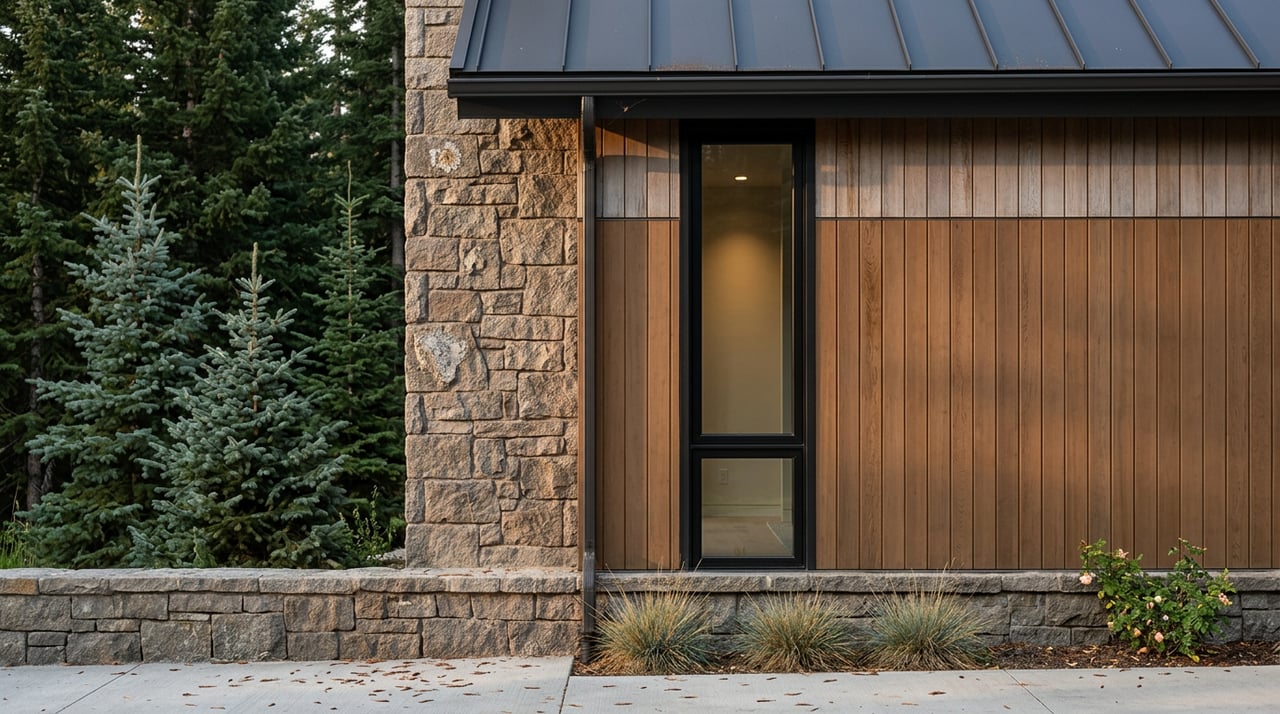
Exterior flexibility can also be more limited than some buyers expect. Because the core is a historic district, exterior changes are subject to design review. So while an in-town home can feel highly private indoors, future exterior alterations are more governed than they would be on many rural parcels.
An in-town estate usually makes the most sense if you want a low-friction ownership experience. It can be a strong fit if you prioritize immediate access to restaurants, transit, recreation, and the pulse of Telluride itself. It may also suit buyers who want a property that is easier to use on shorter stays throughout the year.
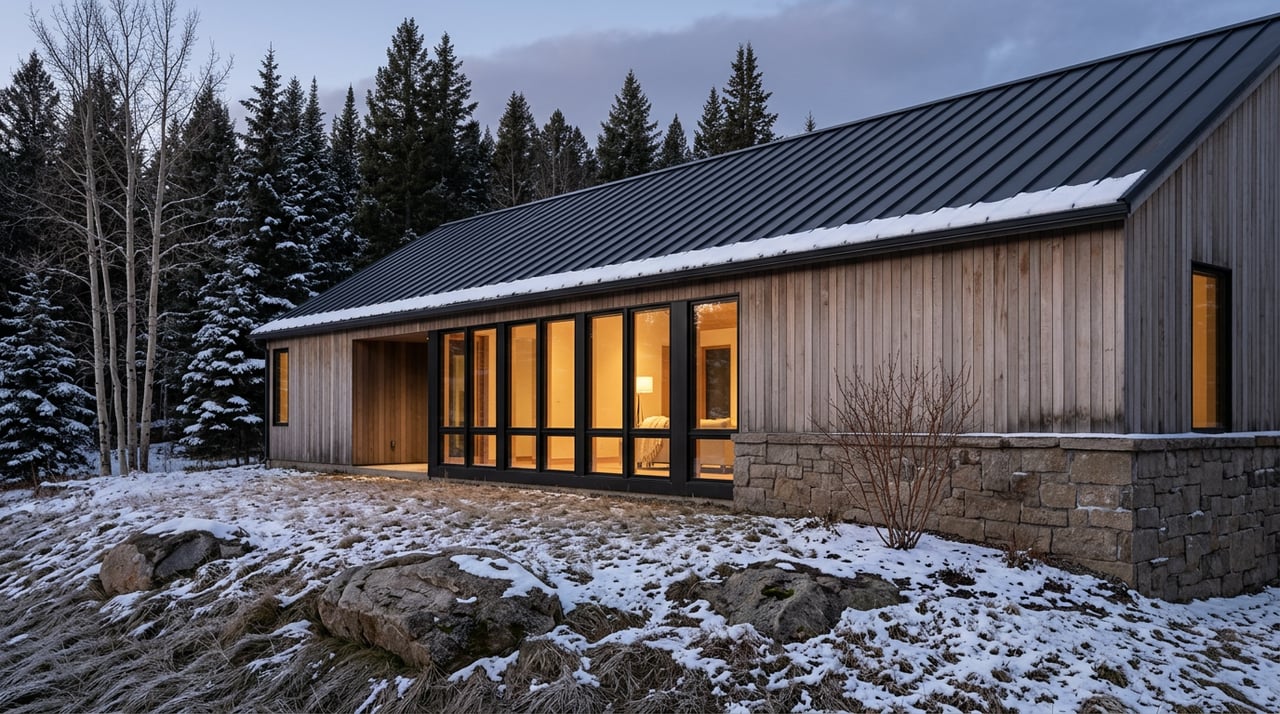
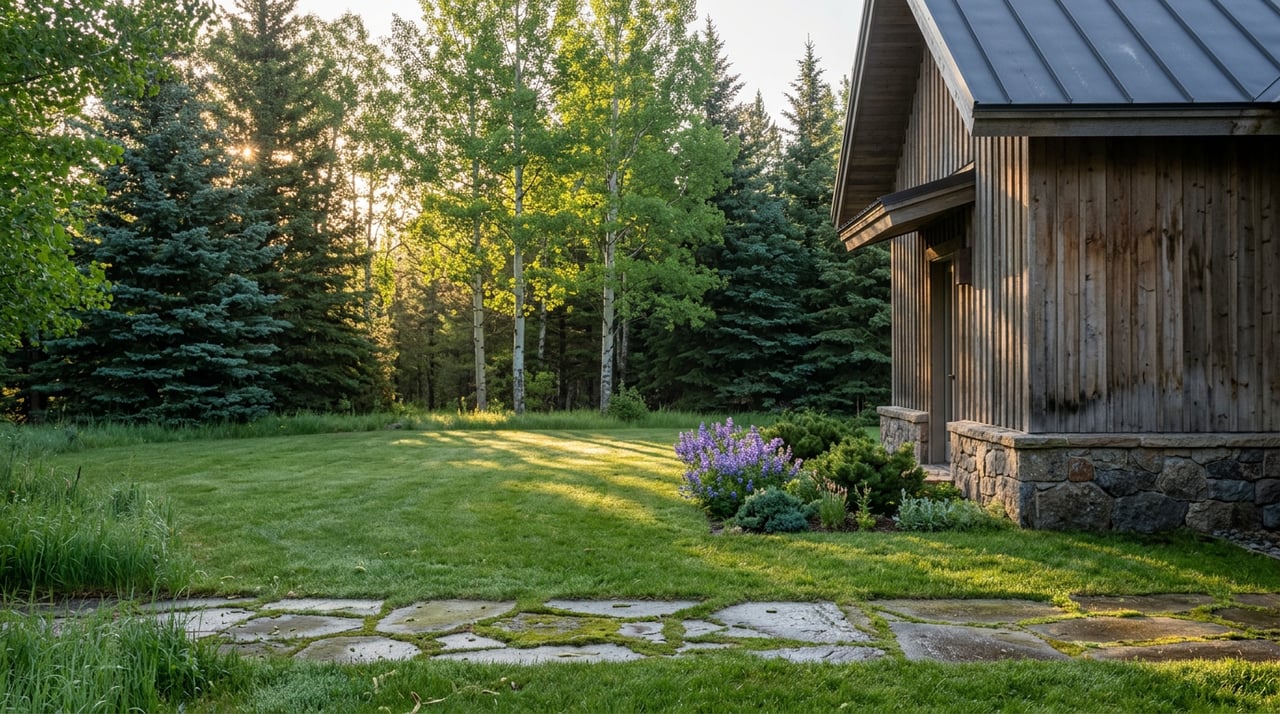
If in-town Telluride is about immediacy, a ranch retreat is about space. Nearby acreage can offer privacy, a broader land base, and a stronger sense of separation from the resort core. For some buyers, that is the entire point.
The regional outdoor backdrop is significant. The San Juan National Forest encompasses about 1.8 million acres in southwest Colorado, and its recreation resources include hiking, biking, hunting, fishing, alpine and nordic skiing, horseback riding, OHV use, camping, and scenic roads. The forest also includes four wilderness areas and a national monument.
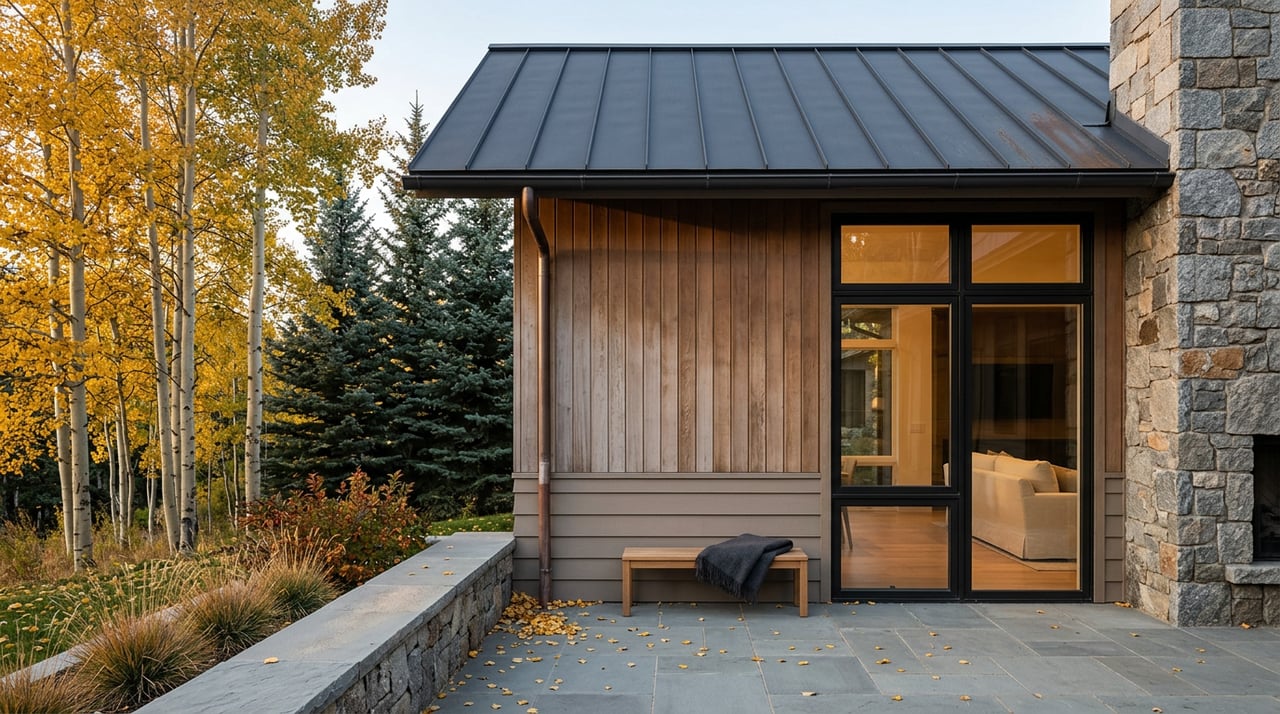
A ranch or acreage property can serve as both a private retreat and a base for outdoor recreation. It may support a more self-directed mountain lifestyle centered on land, privacy, and open space rather than the routines of town. For buyers thinking in generational terms, that broader canvas can be especially appealing.
There may also be a stewardship component. San Miguel County’s Land Heritage Program retires development rights and places a conservation easement on the property. That will not apply to every owner or every property, but it is a relevant consideration for buyers who are thinking about preservation and long-term land legacy.
Rural ownership is often more hands-on. San Miguel County says many residents rely on onsite wastewater treatment systems, and the county administers development, permitting, installation, repair, and replacement through its OWTS program. In unincorporated areas, most development also requires a development permit, and proposed access to a county road requires a development permit as well.
Depending on the property, Road & Bridge approval and OWTS review may be part of the address and permitting process. That does not make acreage ownership less attractive, but it does make it more operational. You are often managing more moving pieces than you would in town.
Wildfire planning is another real part of the equation. San Miguel County supports wildfire mitigation through home hardening, defensible space, and emergency access planning. The county also notes that more than 60% of its land is federally owned, so fire restrictions are often coordinated with federal agencies.
Access is worth close attention too. The Forest Service says road status changes seasonally, and current conditions pages note that roads, trails, and infrastructure have been damaged by flooding in parts of the forest. In practical terms, rural ownership usually involves more weather-sensitive logistics than in-town ownership.
A ranch retreat usually fits buyers who want privacy, acreage, and a property that feels tied to the land itself. It can be a natural fit if you are drawn to outdoor recreation, stewardship, or a more secluded base outside the center of town. Buyers who enjoy managing a more complex property often see that as part of the value, not just a responsibility.
The core choice is simple to frame. Are you trying to maximize access and convenience, or maximize land, privacy, and stewardship? In-town Telluride is generally the access-first option, while a nearby ranch retreat is the land-first option.
Here is a practical side-by-side look at the difference:
| Consideration | In-Town Telluride Estate | Nearby Ranch Retreat |
|---|---|---|
| Daily mobility | Strong transit access, walkable routines, easy connection to gondola and town amenities | More vehicle-dependent, with access that can vary by road conditions and season |
| Ownership feel | Immediate, convenient, connected to town life | Private, spacious, more removed from the resort core |
| Property oversight | More exterior regulation due to historic district design review | More infrastructure and permitting oversight in unincorporated county areas |
| Land use | Smaller land base, more focus on residence and proximity | Larger land base, with more potential for recreation and stewardship |
| Seasonal logistics | Generally simpler arrival and circulation patterns | More weather-sensitive access and operational planning |
| Long-term vision | Strong for ease of use and lock-and-leave patterns | Strong for privacy, legacy planning, and land-focused ownership |
A clear decision usually comes from a few honest questions. The right answer depends less on market buzz and more on how you want to use the property over time.
If you expect frequent winter visits, transit simplicity and easier circulation may matter more than you think. Telluride’s free transit system, gondola access, and nearby airport can make in-town ownership feel very efficient. A rural property may still work beautifully, but winter use often requires more planning around roads, driveways, and conditions.
Every property asks something of you. In town, that may mean working within parking rules and historic design review. On acreage, it may mean managing onsite wastewater systems, permitting, wildfire mitigation, and access logistics.
Some buyers want to be able to move easily through Telluride’s core and enjoy the town’s daily rhythm. Others want distance, quiet, and a stronger connection to land-based recreation. Neither goal is better, but each points clearly toward a different property type.
If you are focused on conservation, long-term stewardship, or preserving land for future generations, a ranch property may align more naturally with that vision. If you want a highly usable second home with easier lock-and-leave appeal, in-town ownership may be the cleaner fit.
There is no universal winner between an in-town Telluride estate and a nearby ranch retreat. Each supports a different version of mountain living. One centers on immediacy, convenience, and access. The other centers on privacy, land, and stewardship.
The key is to match the property to the life you actually want to lead here, not just the image that sounds appealing on paper. If you are comparing both paths and want a grounded, local perspective on what fits your goals best, Chris Sommers can help you evaluate the tradeoffs with clarity and discretion.
Stay up to date on the latest real estate trends.
Specializing in upscale residences, condominiums, and ranches, Chris is a seasoned broker known for his professional approach. His success is driven by continuous client communication, continuous market trend analysis, and strategic identification of target markets.
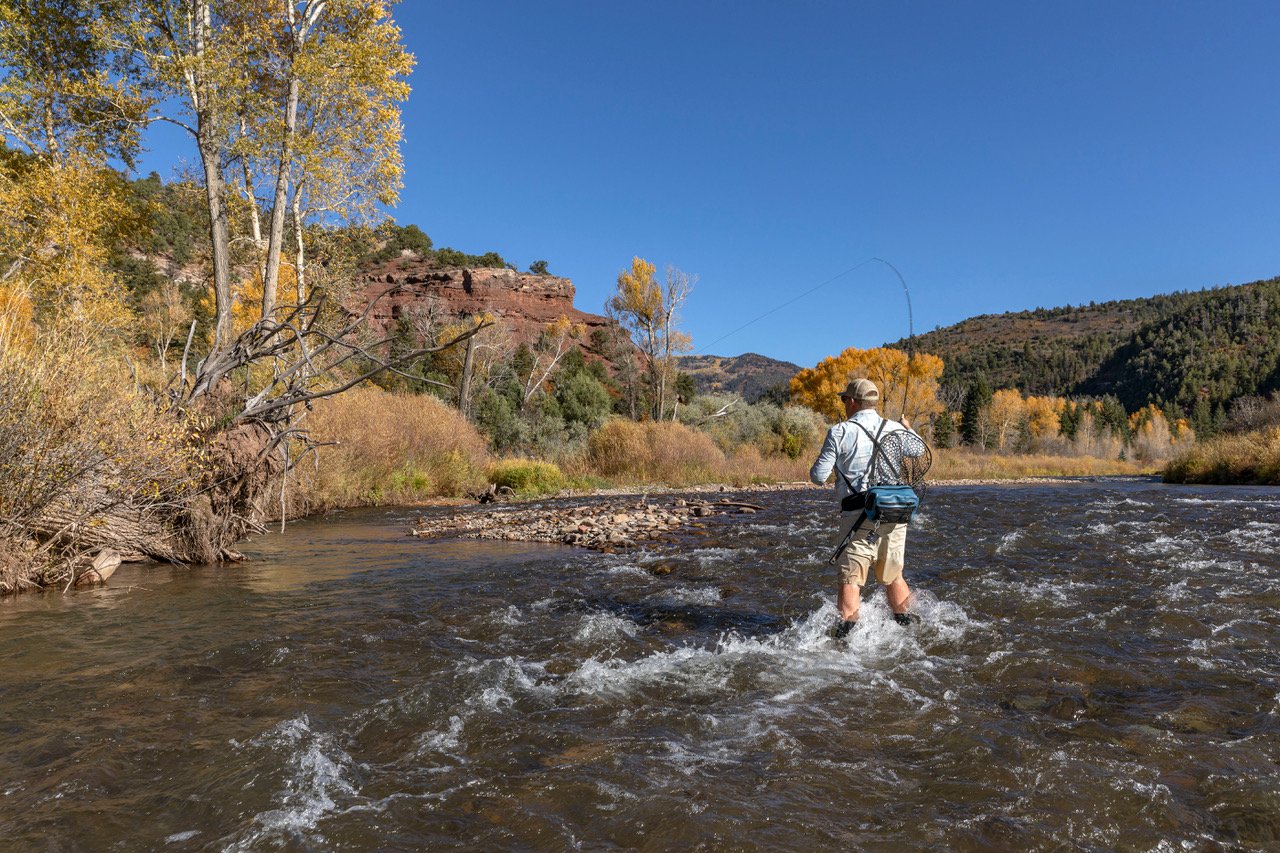
Mid-cast Action Shot
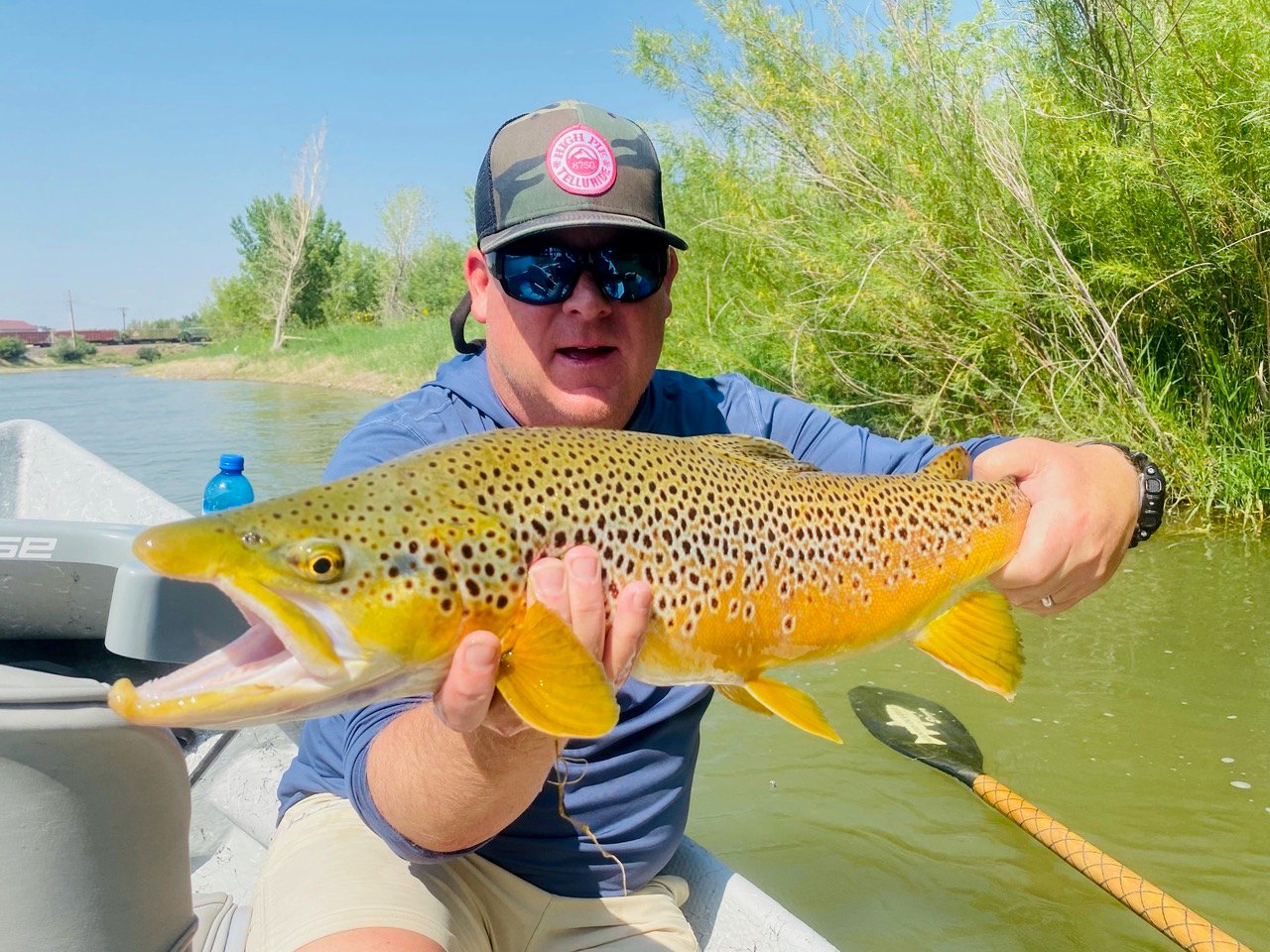
Trophy Catch
Golden-hour canyon, no face needed.
Wide scenic, red-rock backdrop
Dynamic hookset moment.