Designing Your Ideal Telluride Ski Home Lifestyle
May 14, 2026
May 14, 2026
Wondering what actually makes a Telluride ski home feel effortless instead of just beautiful? In a market where altitude, snow, and mountain access shape daily life, the best homes are designed around how you live from the moment you come in the door to the moment you head back out for another run. If you are imagining a ski property in Telluride or Mountain Village, this guide will help you think beyond finishes and focus on the features that support comfort, hosting, and ease. Let’s dive in.
In Telluride, lifestyle design starts with the rhythm of the day. The Town of Telluride sits at 8,750 feet, Mountain Village at 9,545 feet, and Telluride Ski Resort reaches 13,150 feet, so weather, snow, and elevation are not background details. They influence how you arrive, where you store gear, how you recover, and how your home functions for guests.
That is why a successful ski home here is often less about raw square footage and more about flow. A well-planned property should help you arrive, unload, dry out, gather, rest, and repeat with as little friction as possible. In a mountain market with substantial snowfall and cold winter nights, that practical sequence matters every day.
Telluride Ski Resort spans more than 2,000 acres with 148 trails and an average annual snowfall of 280 inches. NOAA data for the area also reflects snowy winters, with annual snowfall normals of 130.8 inches and winter temperatures that often bring highs in the mid-30s and lows in the teens to low 20s. In simple terms, your home needs to handle real winter use.
That means materials and layout should work as hard as they look good. Durable flooring, smart storage, and warm, easy-to-clean surfaces tend to outperform purely decorative choices. In a ski home, beauty matters, but performance is part of luxury.
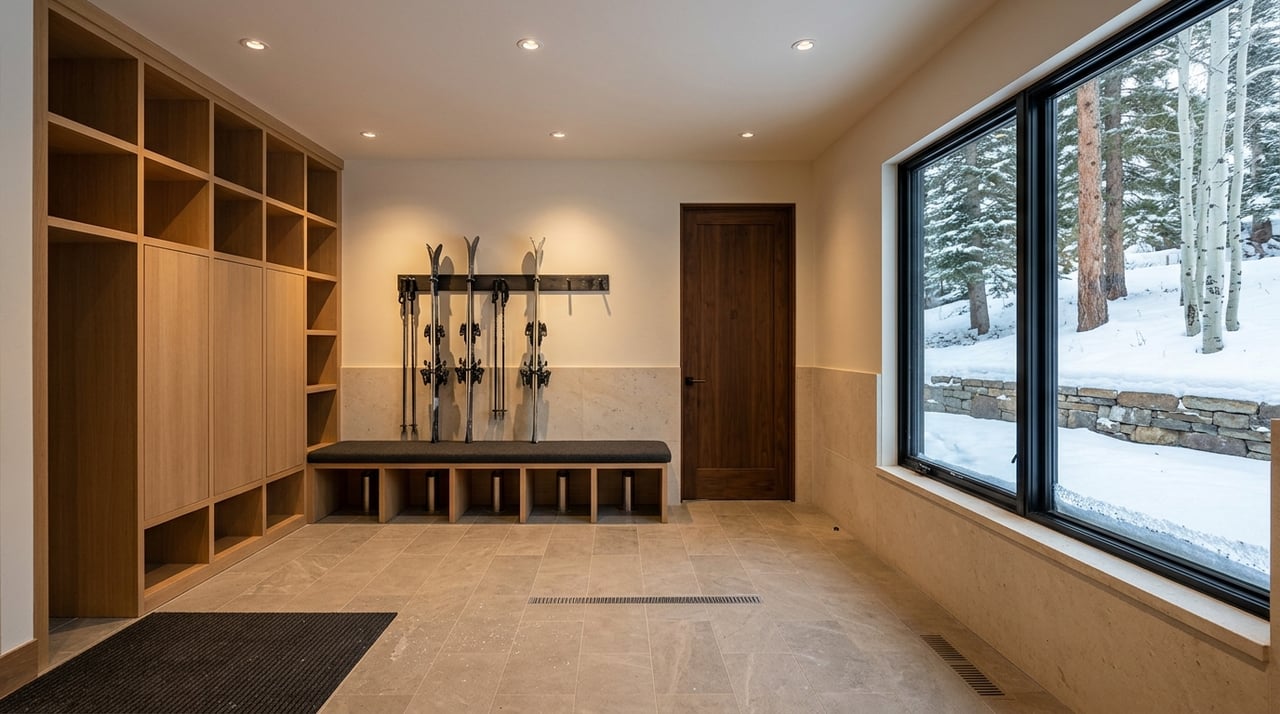
The first few steps inside the home may be the most important. After skiing, walking snowy streets, or riding back from the mountain, you need a place to shed layers before the rest of the house gets wet and cluttered. In Telluride, that space often deserves more attention than a formal entry.
Think of it as a reset zone rather than a foyer. Bench seating, cubbies or lockers, closed storage for outerwear, boot drying, ski storage, and a nearby laundry area can make the entire home feel calmer and more organized. The goal is a simple path from garage or gondola arrival to the kitchen or great room.
For households that host often, this area becomes even more valuable. Guests may return at different times, with different gear, and a well-designed entry helps everyone move through the home with less disruption.
Telluride Ski Resort offers a broad mix of terrain, with 23% beginner, 36% intermediate, and 41% advanced or expert trails. That variety is part of the appeal, but it also shapes how people use a ski home. Not everyone leaves together, skis the same terrain, or comes back at the same time.
A strong floor plan supports staggered routines. Some people may want a quiet place to read, nap, or work while others gather in the kitchen or settle in for après-ski. The most comfortable homes make those parallel experiences feel easy.
This is especially helpful for multigenerational use. A ski property that welcomes different ages and activity levels tends to feel more useful over time.
One of Telluride’s defining advantages is how easily you can move around without relying on a car. The historic town core is compact at roughly eight blocks wide and twelve blocks long, and the town and Mountain Village are connected by a free gondola. Free transit options also include the Galloping Goose loop and bus service when the gondola is closed.
That local pattern should influence how you think about home design and location. If a property supports walkability, gondola access, or easy transit use, you may want an entry sequence that works just as well for pedestrians as it does for drivers. In this setting, arrival is not always garage-first.
Telluride is not just a ski base. It is a year-round mountain destination known for dining, festivals, galleries, bars, wellness experiences, and four-season recreation. That makes your home more than a place to sleep between ski days. It becomes your base for entertaining, reconnecting, and spending time together.
The best gathering spaces feel relaxed, not overly formal. Open kitchens, hearth rooms, generous dining areas, and indoor spaces that transition naturally into conversation or downtime often fit the local lifestyle well. If people can move easily from ski gear drop-off to a warm drink, a meal, or a quiet evening by the fire, the home is doing its job.
Altitude is a real part of daily life in Telluride. The CDC notes that altitude illness can begin after arrival above 8,000 feet, and that low oxygen effects can be greatest during sleep. For new arrivals, especially, the first days in town may call for a slower pace.
That is one reason recovery-focused design makes sense here. Bedrooms should feel quiet and restful, not like an afterthought. Thoughtful sleep and wellness features can improve comfort for both owners and guests.
These choices are not only about luxury. In a high-elevation setting, they can make the home more comfortable and usable from the first night onward.
Because Telluride is remote and winter travel can be weather-dependent, a dedicated work area can add meaningful value to your lifestyle. For many second-home owners, a productive day does not always happen at a primary residence. Sometimes it happens between ski days, holiday visits, or longer stays.
A full office is ideal when space allows, but even a well-planned Zoom nook can make a difference. Privacy, good lighting, and separation from busy living zones help the home support both leisure and focus.
Telluride’s identity is closely tied to its built environment. The town is a National Historic Landmark District, and local preservation efforts help maintain historically significant architecture and traditional design elements. If you are buying in town, this context matters.
For remodels or upgrades, exterior changes including doors and windows require a HARC application before a building permit, according to the Town of Telluride planning department. That does not mean improvements are off the table. It means planning should be thoughtful, local, and aligned with the review process.
When buyers picture a ski property, it is easy to focus on bedroom count, ceiling height, or dramatic views. Those features matter, especially in the luxury market, but they are only part of what makes a home live well. In Telluride, the more useful question is often this: how easily does the property support your day?
A home that handles gear, guests, recovery, and gathering with grace will usually feel better over time than one that is impressive but awkward in practice. In this market, lasting value often comes from the details you feel every day.
Whether you are looking at a slopeside residence, a refined condo, or a legacy retreat for family use, the right property should fit both the setting and the way you want to live in it. If you are ready to evaluate Telluride and Mountain Village homes through that lens, Chris Sommers can help you identify properties that align with your lifestyle goals and guide you with local insight every step of the way.
Stay up to date on the latest real estate trends.
Specializing in upscale residences, condominiums, and ranches, Chris is a seasoned broker known for his professional approach. His success is driven by continuous client communication, continuous market trend analysis, and strategic identification of target markets.
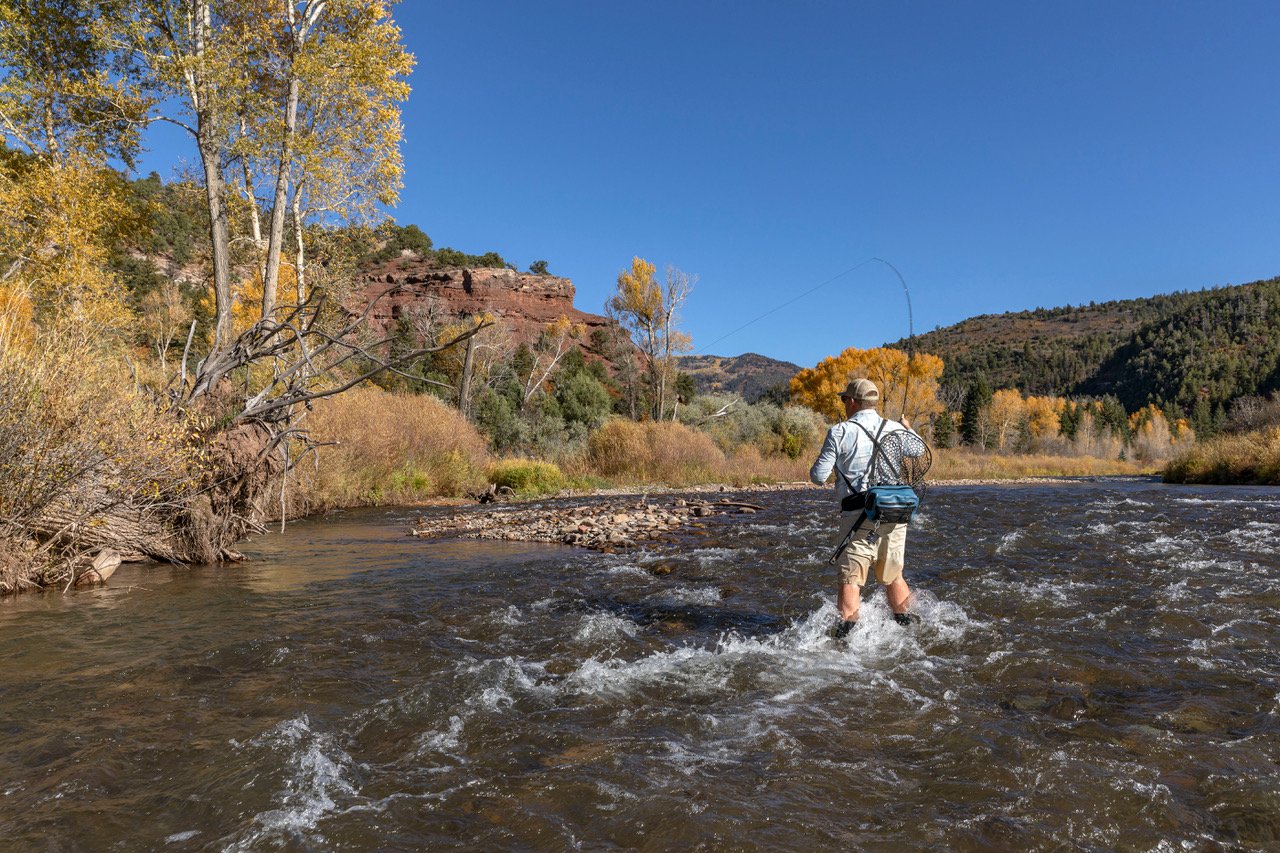
Mid-cast Action Shot

Trophy Catch
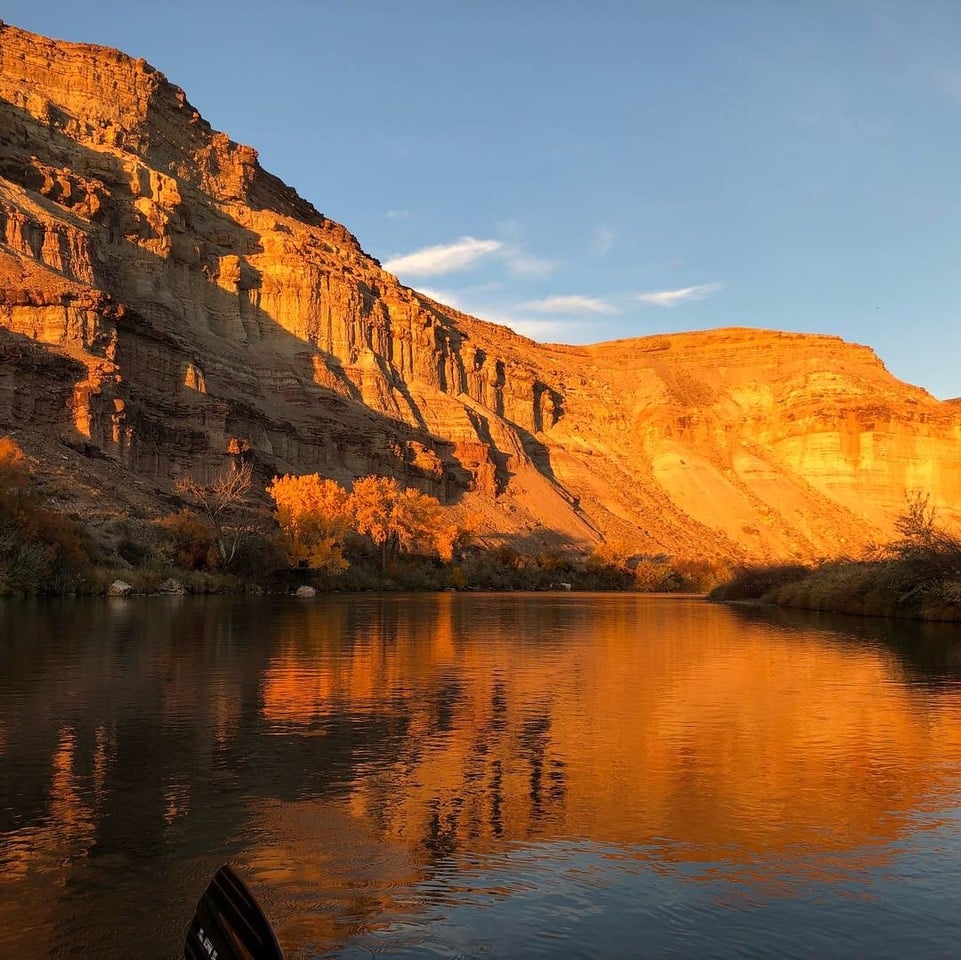
Golden-hour canyon, no face needed.
Wide scenic, red-rock backdrop
Dynamic hookset moment.