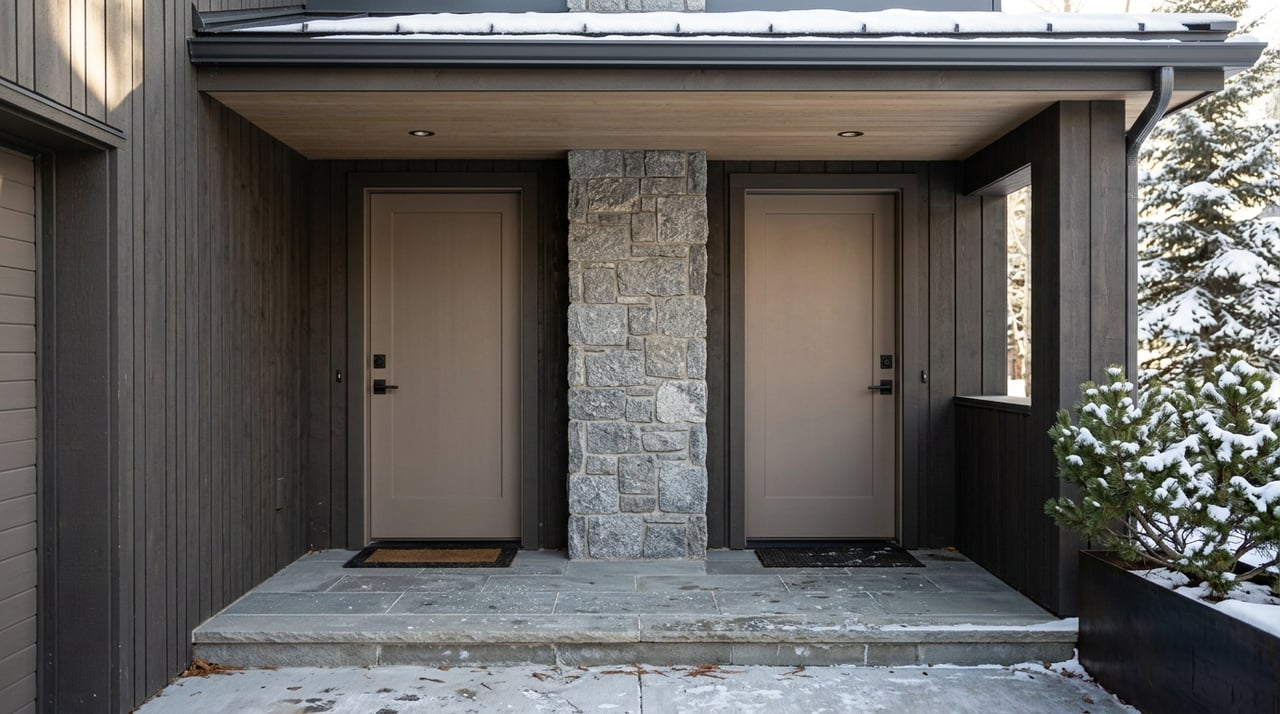
Telluride HOA Community Guide for Luxury Buyers
June 4, 2026
June 4, 2026
Buying in Telluride’s luxury market often means buying into more than a residence. In many condos, townhomes, and resort-oriented properties, you are also stepping into an HOA with its own fees, rules, records, and long-term planning. If you want a mountain home that feels easy to own, understanding how that structure works can save you time, money, and frustration. Let’s dive in.
In Colorado, an HOA is part of what the state calls a common interest community. That means you own your unit or lot, but you also share an interest in common elements and pay assessments connected to those shared areas.
Those assessments usually come in two forms. Regular assessments are recurring dues paid monthly, quarterly, or annually for operations and maintenance. Special assessments are one-time charges that may be used for repairs, replacements, or new construction.
For Telluride buyers, this matters because an HOA is not just a fee on a closing statement. It is a governance structure that shapes your ownership experience, from what services are included to what approvals may be required for changes to your property.
The governing documents usually include the declaration, bylaws, articles of incorporation, and rules and regulations. Those documents set the terms of the relationship between you and the association, so reviewing them carefully is a key part of due diligence.
In Telluride and Mountain Village, HOA dues can vary widely depending on the type of property and level of service. In many luxury condo and townhome communities, dues often help cover grounds maintenance, insurance, sewer, snow removal, trash, water, management, and reserve or contingency funding.
In higher-service buildings, dues may also support front desk staffing, on-site management, shuttle service, ski storage, pools, hot tubs, and fitness or spa amenities. This is one reason two properties at similar price points can have very different monthly ownership costs.
Public listings in the market show a broad range of dues. Recent examples include condos around $411 to $585 per month, while more service-heavy or resort-oriented units show fees of $1,187, $1,355, and $1,826 per month.
At the top end of the luxury market, fees can be much higher. Some Mountain Village listings show quarterly dues of $9,459 and $12,056, which work out to about $3,153 and $4,019 per month.
These figures are public examples, not a market-wide average. Still, they show a clear local pattern: when a property offers more staffing, more amenities, and more turnkey convenience, the HOA often handles more on your behalf.
For many second-home buyers, high HOA dues are not automatically a negative. In the right building, those dues may support a true lock-and-leave lifestyle where snow removal, exterior upkeep, amenity operations, and daily management are already built into ownership.
That tradeoff can make sense if you value ski convenience, on-site service, or a more hands-off ownership experience. It may matter less if you plan to use the property frequently, prefer fewer amenities, or want more control over monthly carrying costs.
The key is to look beyond the fee amount alone. You want to understand what the dues actually buy you, what they do not cover, and whether that package fits how you plan to use the home.
One of the most important questions in any HOA is whether the association is planning well for future costs. Colorado now requires reserve studies for common interest communities with major shared components, and these studies are used to estimate long-term reserve needs.
That matters in a mountain market where shared roofs, exterior materials, mechanical systems, parking structures, and amenity spaces can be costly to maintain. A healthy reserve plan can help reduce the chance of unexpected financial pressure later.
Reserve planning does not guarantee that a special assessment will never happen. It does, however, give you a clearer view of how the association is preparing for predictable long-term repairs and replacements.
Colorado does not have a central repository for HOA governing documents. In practice, buyers usually need to request the association packet through the seller, listing agent, or HOA.
That is why it helps to ask for documents early in the process. Waiting until late in the transaction can create unnecessary pressure, especially if the documents reveal issues that affect your decision.
A strong review typically includes:
Colorado also requires meaningful annual disclosure to members after each fiscal year. Associations must disclose items such as the budget, current assessments, annual financial statements, reserve information, insurance policies, bylaws, rules, and prior year meeting minutes.
In luxury HOA communities, the best questions are usually practical. They help you understand whether the building supports the lifestyle you want or creates friction around it.
Start with these:
These questions often reveal the real cost of ownership more clearly than a listing sheet alone. They also help you compare similar-looking properties that may operate very differently once you own them.
HOA governance is not just background paperwork. It can shape your everyday experience in the property.
Colorado requires associations to adopt enforcement policies. The state’s HOA guidance also notes that fines generally require notice, an opportunity to be heard, and an impartial decision-maker.
Recordkeeping matters as well. Associations must keep minutes of owner and board meetings as permanent records, and owners are entitled to examine records subject to limited exceptions.
For buyers, this is useful because meeting minutes and records can provide context that numbers alone may miss. They may show whether the board is discussing major repairs, insurance concerns, rule changes, or owner disputes.
If rental flexibility matters to you, you need to look at both HOA rules and local regulations. A building may appear rental-friendly at first glance, but local licensing, taxes, or zoning may still affect how you can use the property.
In Telluride, non-hotel-type short-term rentals must be licensed. The town’s current short-term rental page says those rentals pay 17.22% in monthly taxes, and owners are responsible for remitting town taxes.
Telluride also has different license categories. A Limited License is capped at 29 nights per calendar year, and a Mid-Term License applies to rentals of more than 29 nights but less than six months.
In Mountain Village, a separate license is required for each place of business or rental unit, and licenses renew annually. The town states that short-term rental units are charged a 9.47% sales tax plus a 4% lodging tax.
Mountain Village also distinguishes between lodging-oriented unit types and standard condominiums. Its zoning materials describe hotel, hotel-efficiency, hotbed, and efficiency-lodge designations as short-term-accommodation uses, with short-term accommodation defined as occupancy for less than 30 consecutive days.
A true lock-and-leave property is about more than luxury finishes or a concierge desk. It is a property where the fee structure, reserve planning, access rules, parking, guest policies, and rental allowances align with how you actually plan to own and use the home.
If you plan to visit often but rent rarely, your priorities may center on service, maintenance, and ease of arrival. If you want more rental use, you will need to look closely at licensing, taxes, zoning, and HOA rules together.
In Telluride’s luxury market, this alignment is often the difference between a smooth second-home purchase and a frustrating one. The right fit is rarely just about the residence itself. It is about the entire ownership structure around it.
A thoughtful review of the HOA can help you protect both your lifestyle goals and your long-term costs. If you want a clear read on how a specific Telluride or Mountain Village property will function in real life, Chris Sommers can help you evaluate the details with local insight and a concierge-level approach.
Stay up to date on the latest real estate trends.







Specializing in upscale residences, condominiums, and ranches, Chris is a seasoned broker known for his professional approach. His success is driven by continuous client communication, continuous market trend analysis, and strategic identification of target markets.

Mid-cast Action Shot

Trophy Catch

Golden-hour canyon, no face needed.

Wide scenic, red-rock backdrop

Dynamic hookset moment.