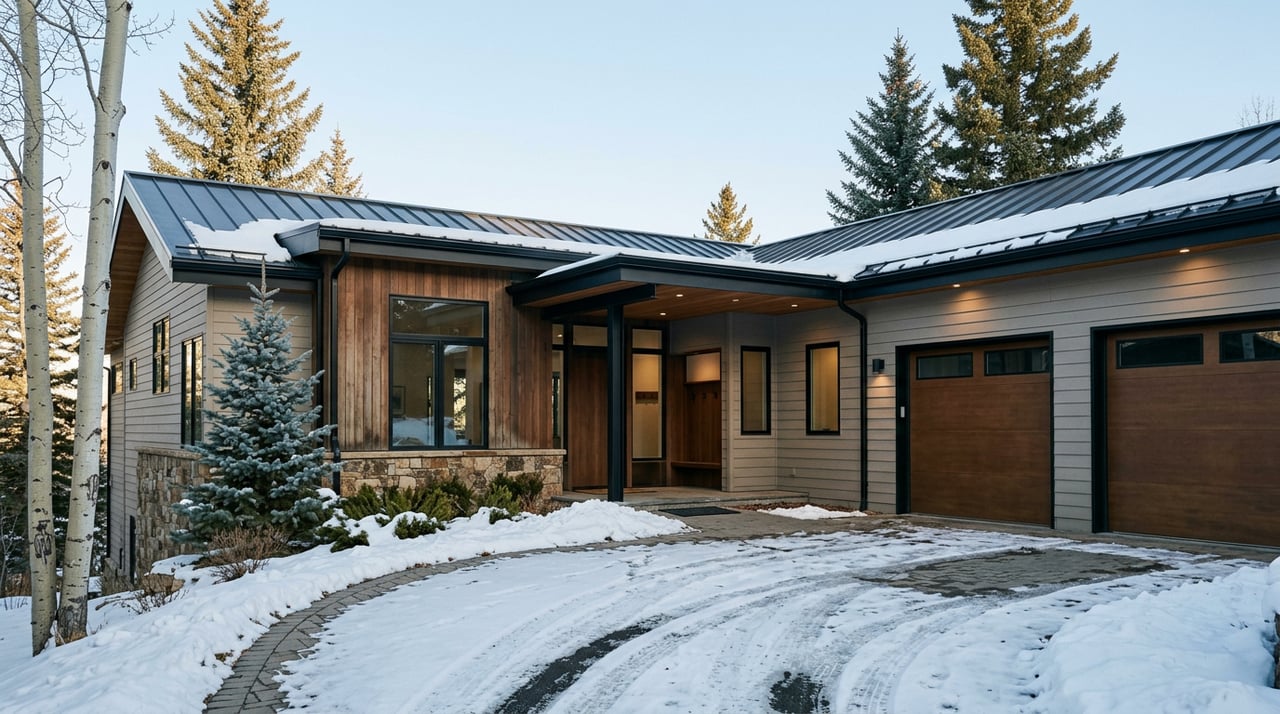
How to Get to Your Telluride Second Home and Settle In
March 5, 2026
March 5, 2026
You just got the keys to your Telluride or Mountain Village home. Now comes the part that should feel effortless: getting here, stocking up, and turning the lights on without a hitch. With a little planning, you can go from runway to fireplace in a single afternoon.
In this guide, you’ll learn the most reliable flight paths, simple transfer choices, where to park, how to use the free gondola, smart grocery and package options, and the first utility steps owners take. You will also get practical checklists for arrival, first week, and winter prep.
Let’s dive in.
If you want the closest landing, Telluride Regional Airport (TEX) sits roughly 10 to 15 minutes from town. It is a small, high‑elevation field with a shorter runway and weather sensitivities, so schedules can be limited. Many owners use TEX for private charters or when commercial timing works for their trip. Review current conditions and planning notes on the official Telluride Regional Airport site.
For most trips, Montrose Regional Airport (MTJ) is the default. It offers more flights, rental cars, and resilient winter operations. Drive time to Telluride or Mountain Village is typically 1 hour 15 minutes to 90 minutes. For schedules and ground options, see the MTJ access overview.
If you need alternatives, Grand Junction and Durango are common regional choices. Denver is a longer but scenic drive and can work for multi‑stop itineraries. Check current travel guidance and seasonal drive times before you commit a plan.
From MTJ, the route runs south on US‑550 to Ridgway, west on CO‑62, then south on CO‑145 into the valley. Distance is roughly 65 to 70 miles, and actual time depends on weather and traffic. In winter or shoulder seasons, always check live conditions with Colorado road reports before you depart.
Shared and private shuttles run between regional airports and Telluride or Mountain Village. Shared rides are cost‑effective. Private SUVs or vans work best if you have a group, skis, or groceries to stage. During holidays and festival weeks, book early. A concise overview of shuttle options is available in this Telluride transportation guide.
If you plan to explore nearby towns or take day trips, rent a vehicle at MTJ. If your life is mainly in‑town, a shuttle plus local transit is often enough.
The towns are walkable and transit‑friendly. Expect timed and permit parking in the business districts and dedicated lots in Mountain Village. Many owners park in Mountain Village and ride the gondola into Telluride for events and dinners. For current rules and permit information, use the Mountain Village parking page.
The free public gondola links Telluride’s Oak Street, San Sophia Station, and Mountain Village’s Market Plaza and Village Center. A single leg typically takes 10 to 15 minutes. Bikes, skis, and leashed dogs are welcome, and many owners rely on it for daily movement between towns. Review plaza details and seasonal notes on the Mountain Village plazas page.
Inside Telluride, the Galloping Goose loop covers in‑town errands. Mountain Village operates free Dial‑A‑Ride service within the Village. Taxis and private cars are available, but ride‑share apps can be inconsistent in a remote valley. Keep local car service numbers on your phone for late nights or early departures.
If you arrive late, confirm gondola hours for that date. In spring or fall maintenance periods, schedules can shift. Book a taxi or private transfer if you may miss the last cabin.
Inside the valley, you will find a full‑service grocery and a liquor store in Mountain Village’s Market Plaza, plus two walkable markets in downtown Telluride. For bulk items, many owners stop at supermarkets in Montrose on the way from MTJ. If you prefer to arrive to a stocked kitchen, several local services will shop and deliver to your door. See vendors and delivery minimums in this Telluride groceries and delivery guide.
Smart first‑arrival strategies:
Mountain Village’s Market Plaza offers post office boxes and an Amazon Locker for small packages. Many owners use a PO Box or the locker system to avoid missed deliveries at high‑elevation addresses. For temperature‑sensitive items like wine or appliances, confirm hold policies with the receiving vendor. Learn more about the Amazon Locker at Market Plaza.
Electric service in the region is provided by San Miguel Power Association. New owners typically open or transfer service and ask about meter reads, deposits, and net‑metering if solar is on your list. Mountain Village administers municipal water, sewer, and cable or broadband as enterprise services, and Town Hall sits in Market Plaza for convenient in‑person help. For energy program context and provider links, start with the town’s energy and solar overview.
If your home is within the Town of Telluride or a county location, confirm whether services are municipal, HOA‑managed, or private. The seller packet or HOA documents usually identify the correct contacts. General visitor and service notes are available on the town’s visitor information page.
Mountain Village lists cable and broadband among its enterprise services. Some remote or high‑elevation homes use fixed wireless or satellite for redundancy. Before you rely on streaming or remote work, check the actual in‑home speeds with your provider or property manager and confirm equipment status.
When you know which airport to use, how to connect the last mile, and who to call for utilities and supplies, settling into your Telluride home becomes simple and repeatable. If you would like a personalized new‑owner game plan, market context, or introductions to trusted local vendors, connect with Chris Sommers to schedule a private consultation.
Stay up to date on the latest real estate trends.
Specializing in upscale residences, condominiums, and ranches, Chris is a seasoned broker known for his professional approach. His success is driven by continuous client communication, continuous market trend analysis, and strategic identification of target markets.
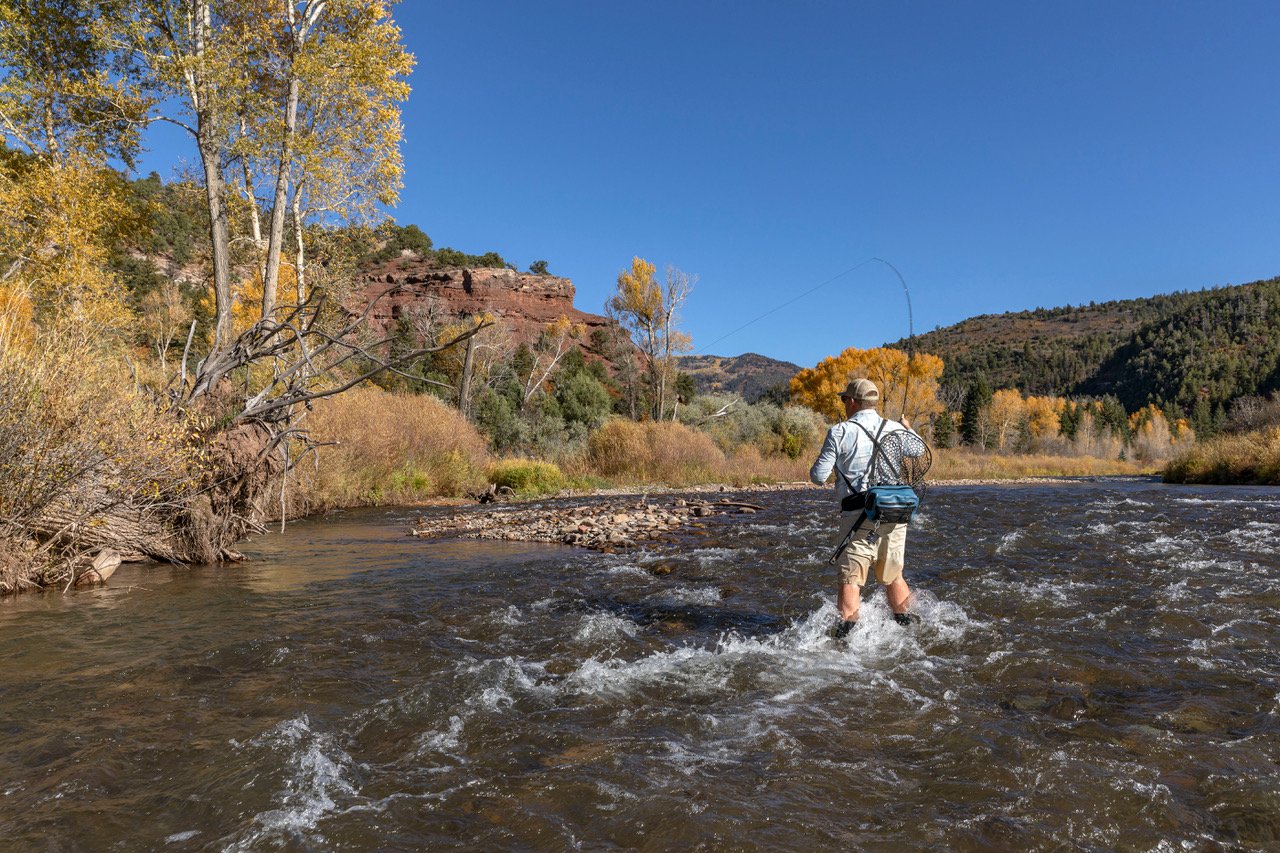
Mid-cast Action Shot

Trophy Catch
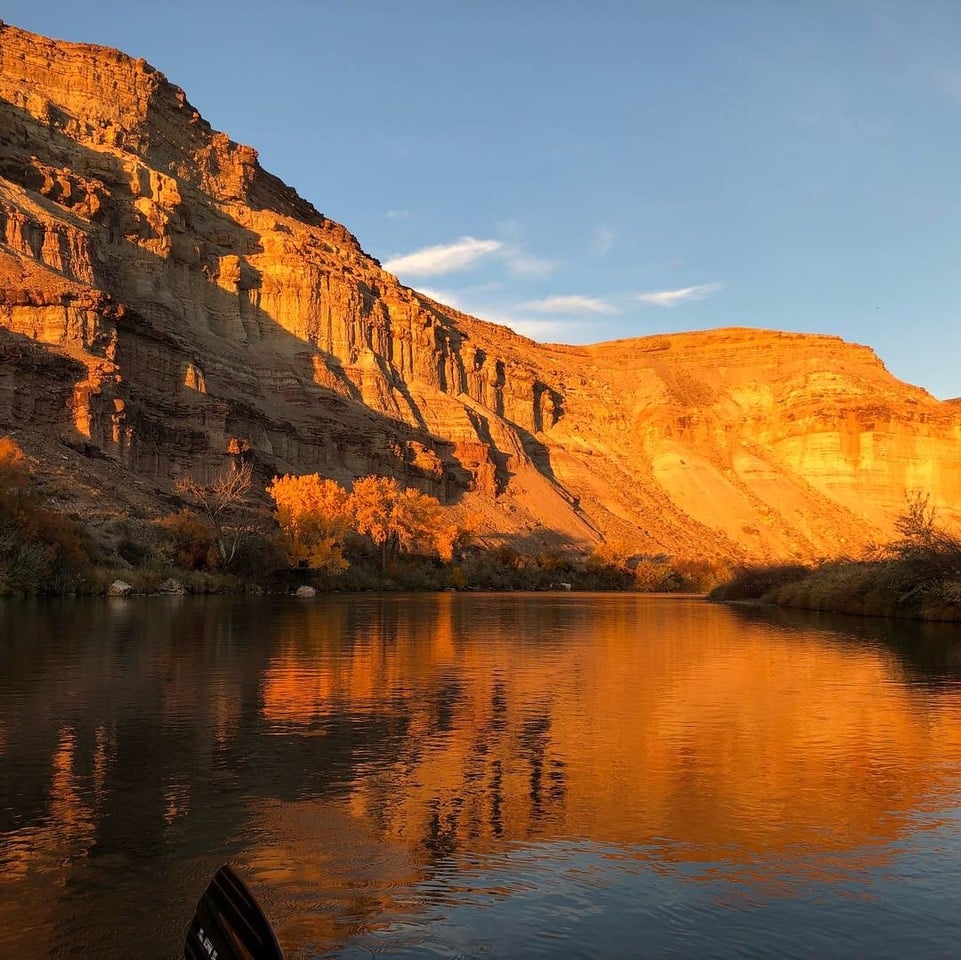
Golden-hour canyon, no face needed.
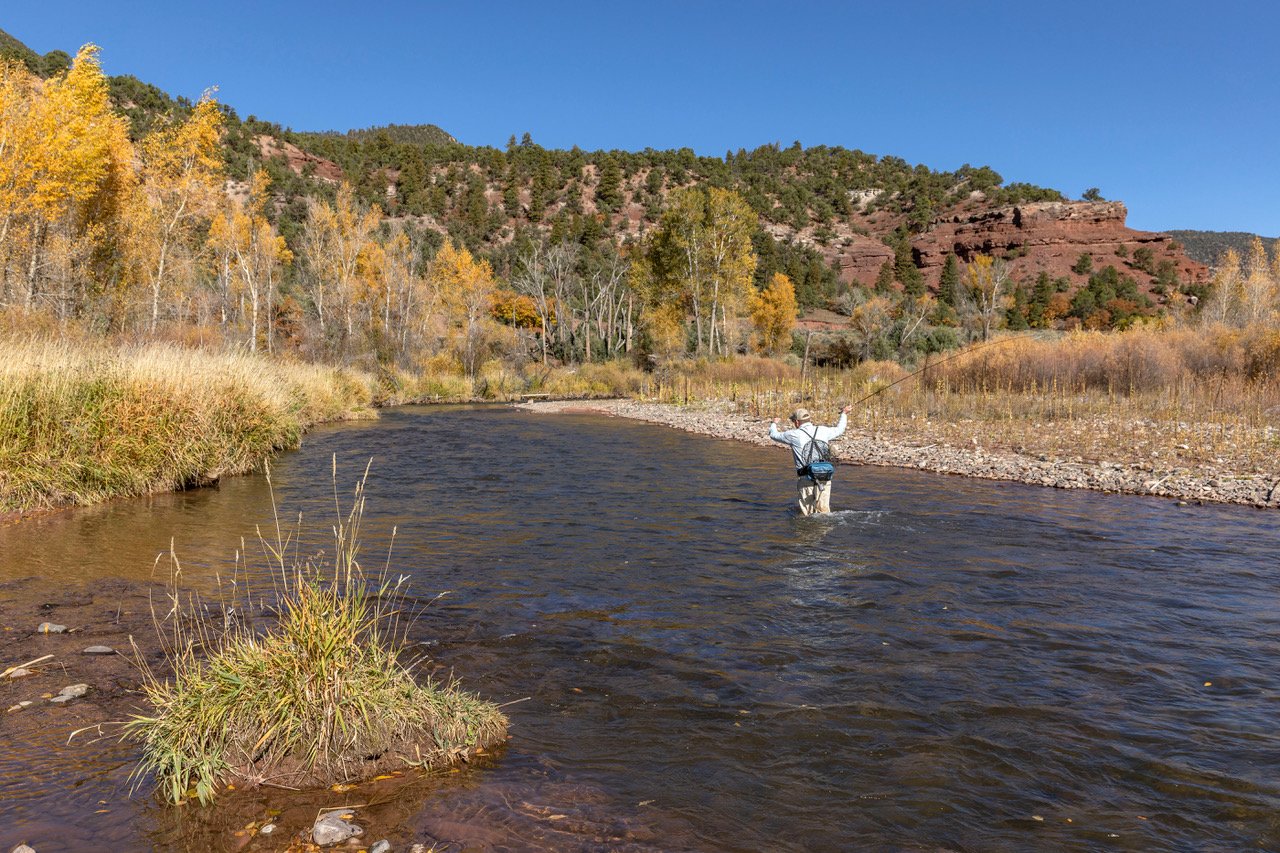
Wide scenic, red-rock backdrop
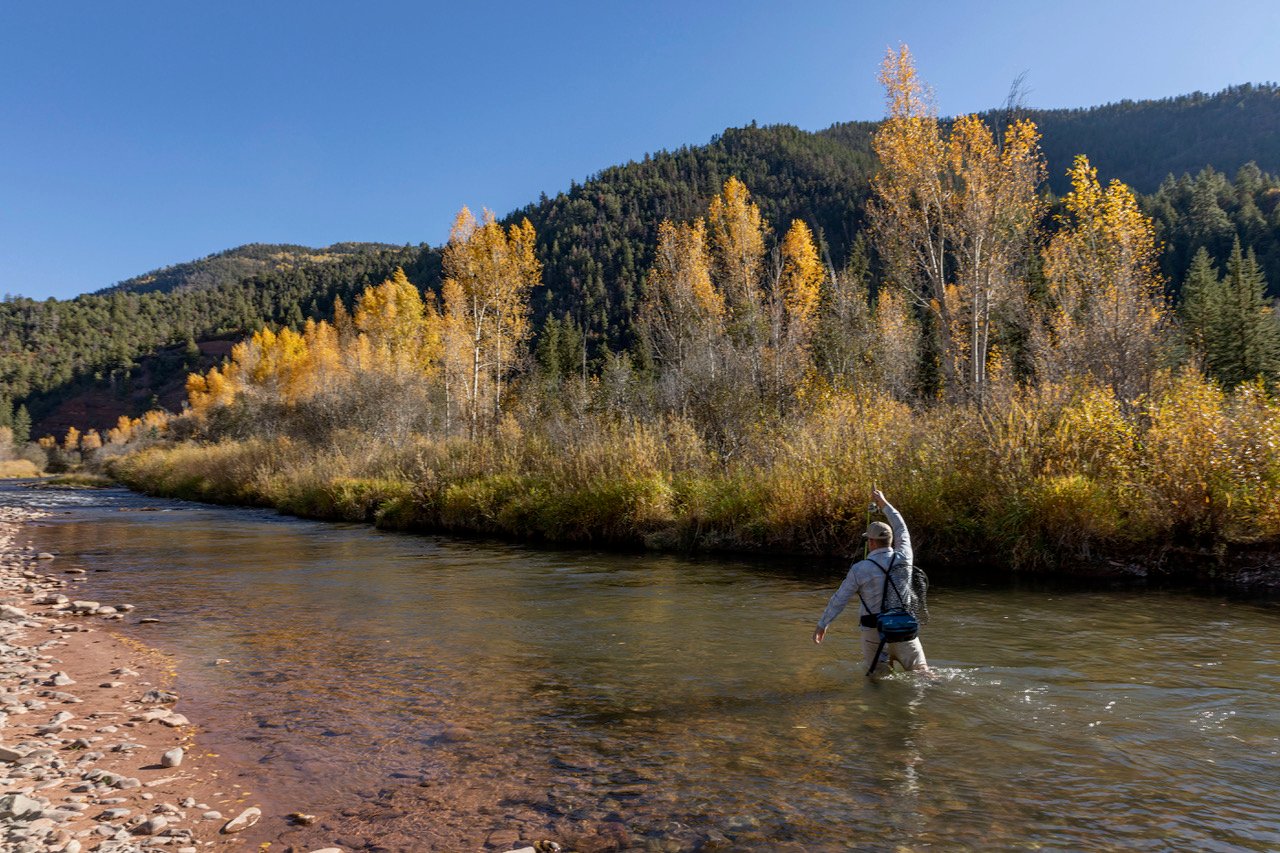
Dynamic hookset moment.