Looking for a Mountain Village condo where everything is easy, luxurious, and close to the lifts? You are not alone. In a resort market that runs on winter powder and summer festivals, the right amenity package can drive your enjoyment and your rental bookings.
In this guide, you will learn which amenity categories matter most in Mountain Village, how to compare buildings objectively, and where to start your search if you want full‑service convenience. You will also see the tradeoffs between higher service levels and higher fees so you can match a building to your goals. Let’s dive in.
How to compare amenities
Amenities influence both your experience and your numbers. Before you tour buildings, get clear on your priorities and the facts to verify for each property.
Ski access and transport
- Confirm exact proximity to lifts or the gondola. Ask for walk time and a map reference.
- Check whether there is true ski‑in/ski‑out access or a short walk with lockers onsite.
- Verify dedicated owner ski lockers, heated boot storage, and any slope entry rules.
Valet, concierge, and services
- Ask about staffing hours, especially in shoulder seasons.
- Clarify what is included in HOA dues and what is charged per use.
- Understand service priority for owners versus guests and any tipping policies.
Spa, pools, and fitness
- Confirm pool operating months, heating schedules, and reservation requirements.
- Review owner access policies, capacity limits, and maintenance schedules.
- Note if there are day‑spa services and treatment rooms.
Onsite dining, retail, and event space
- Check hours of operation and whether outlets are independent or resort‑operated.
- Ask if owners can reserve spaces for events or rental promotions.
Owner services and rental structure
- Determine if a rental program is mandatory or optional.
- Review management fees, commissions, housekeeping and linen costs, and contract terms.
- Ask how reservations are prioritized and how owner income is reported.
Practical livability
- Parking type and rules, including owner spaces and guest caps.
- Storage for gear and bikes, elevator access, and laundry setup.
- Pet policies, ADA access, and snow removal practices.
Full‑service hotel‑condo standouts
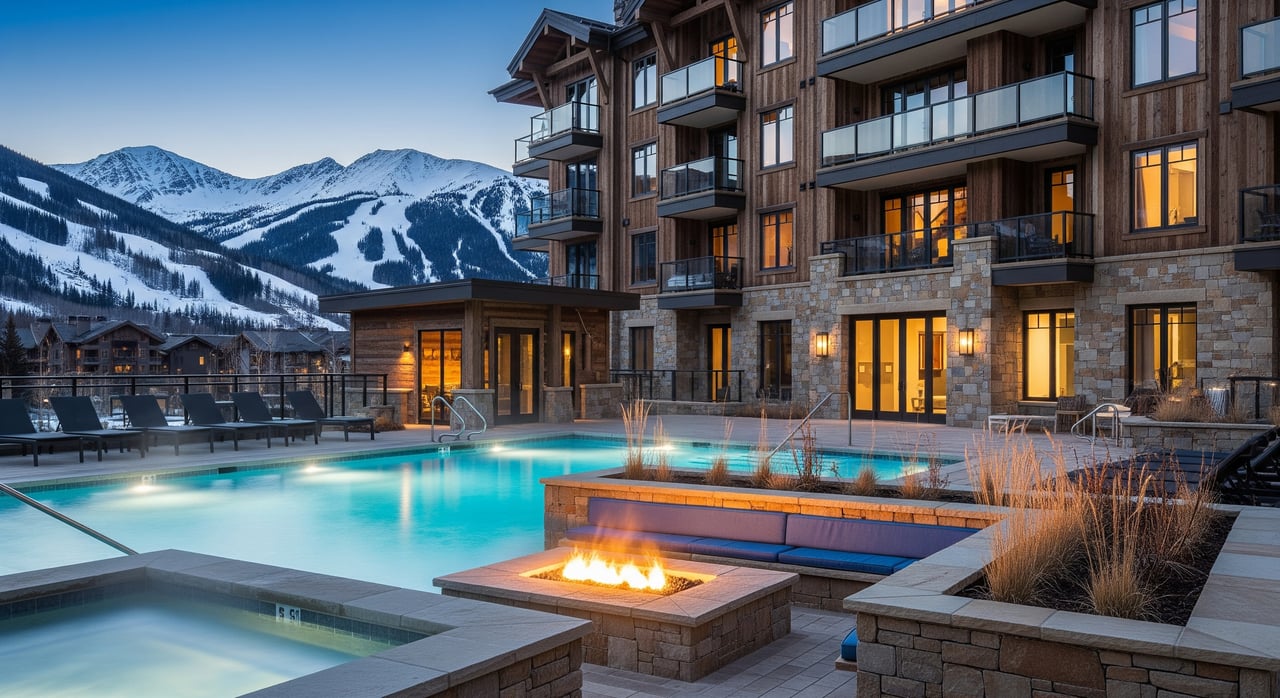
If you want a turnkey experience with top‑tier amenities, hotel‑managed residences are your starting point. These projects concentrate concierge, valet, spa and dining in one place and typically operate with professional front‑desk and centralized reservations.
- The Madeline Hotel & Residences at Telluride. A luxury hotel and residence project at the base area. It has been historically associated with a full spa, pools, and hotel services. Verify the current operator, owner participation rules for any rental program, and service inclusions before purchase.
- The Peaks Resort & Spa. A full‑service resort in Mountain Village with spa, pools, restaurants, and close ski access. Confirm current amenities, owner access policies, and how services are charged to owners.
Why buyers choose these buildings:
- Comprehensive services that simplify ownership and enhance guest experience.
- Prime lift and gondola access that supports winter demand.
- Consistent brand standards and centralized marketing that can support rental performance.
Key tradeoff:
- Service‑heavy properties often carry higher operating budgets, which can mean higher HOA dues and potential special assessments tied to staffing and facility upkeep.
Gondola‑adjacent convenience
Some condominium buildings sit just steps from the Mountain Village core and the free gondola that links to Telluride. These properties can offer a strong balance of convenience and a varied amenity mix.
What to look for:
- Walk time to the gondola and covered pedestrian access in snowy conditions.
- Onsite lockers, a fitness room, and hot tubs that are easy for guests to use.
- Clear policies for parking and guest access during peak weeks.
Why it matters:
- Short, simple access to the gondola is a major draw in both winter and summer.
- Proximity to the plazas can support higher occupancy during festivals and events.
True liftside and slope‑edge condos
If ski access is your top priority, focus on buildings with direct slope adjacency or dedicated runs to the property. Amenities may be more modest, but the ski convenience often commands a premium.
How to evaluate:
- Confirm ski‑in/ski‑out claims against resort maps and onsite tours.
- Ask about seasonal routing and any restrictions on where owners can enter or exit the slopes.
- Check for heated walkways, gear rooms, and efficient elevator access to lockers.
What you gain:
- The highest convenience during peak winter weeks.
- Strong appeal for repeat ski travelers who prioritize access over extras.
Boutique and owner‑managed complexes
Smaller HOAs can offer select amenities with lower fixed costs compared to full‑service resorts. These buildings tend to have leaner staffing and may suit owners who want control over management choices.
Considerations:
- Review HOA financials for reserve funding and assessment history.
- Confirm the ability to choose your own property manager or run an independent rental program.
- Check for practical features like parking, storage, and snow removal efficiency.
Best fit:
- Owners who value autonomy and lower baseline fees, and who are comfortable coordinating services for guests.
Fees, value, and rental demand
Amenities affect both your experience and your bottom line. Here is how to think about the mechanics.
Operating costs and HOA assessments
- More amenities usually mean higher staffing, utility, and maintenance costs. This often translates to higher HOA dues and a greater likelihood of periodic special assessments.
- Ask for the current monthly dues, a breakdown of operating versus reserve contributions, and any known projects.
Capital expenditures and replacement cycles
- Pools, spas, elevators, and mechanical systems have clear lifespan timelines and replacement needs.
- Request reserve studies, recent capital projects, and meeting minutes that note planned improvements.
Rental demand and pricing
- Strong amenities, concierge or valet services, and top ski access can lift nightly rates and booking desirability during peak weeks.
- Always compare building‑level rent rolls and occupancy by season rather than relying on town averages.
Net owner return
- Model total costs, including HOA dues, management fees, housekeeping and linen service, utilities, taxes, insurance, and reserve contributions.
- Build scenarios for winter, summer, and shoulder seasons, and include a conservative case to account for assessment risk.
What to verify before you buy
Use this checklist to structure due diligence and make apples‑to‑apples comparisons.
Documents and data to request:
- Current HOA budget and the most recent 12 months of expenditures.
- Most recent reserve study and any reserve funding policy.
- HOA meeting minutes from the last 12 to 24 months.
- Full amenity list with written policies, service hours, and usage rules.
- Owner rules and regulations, including short‑term rental and occupancy policies.
- Any hotel management or rental program contracts, with fee and revenue share details.
- Recent rent roll with monthly occupancy and average daily rate by season, plus net owner receipts and itemized expenses.
- Association and building insurance summaries, including deductibles.
- Notices of special assessments, pending litigation, or capital project schedules.
- Third‑party vendor contracts that may impact costs or flexibility.
Quantitative comparisons to prepare:
- HOA fee per square foot and what it covers.
- Estimated annual owner operating costs, including mandatory service fees.
- Historical gross and net rental results by season for comparable unit types.
- Sales comps within the building and in similar nearby buildings.
Local context checks:
- Confirm Town of Mountain Village short‑term rental licensing and business registration requirements before assuming rental eligibility.
- Verify lift and gondola proximity using resort maps and onsite tours.
- Cross‑check ownership and tax records through county sources when needed.
Which profile fits you
- If you value high‑touch convenience: Start with full‑service hotel‑condo buildings. Expect higher dues that fund concierge, valet, spa, and dining, with professional marketing that can support bookings.
- If you want gondola convenience without every bell and whistle: Focus on gondola‑adjacent condos with solid locker and fitness amenities. Fees are often moderate relative to services.
- If ski access is everything: Look at true liftside and slope‑edge properties. Amenities may be streamlined, but access can drive demand during winter peaks.
- If you prefer control and cost efficiency: Consider boutique, owner‑managed HOAs. You may coordinate more services, yet fixed costs can be lower.
Getting started in Mountain Village
If you plan to enjoy your condo and also capture rental nights in winter and summer, amenities are your lever. Start by ranking ski access, services, and wellness features by importance. Then request building documents early so you can compare fees, reserves, and rental structures side by side.
When you are ready for a private shortlist matched to your goals, connect with a local advisor who knows the nuances of Mountain Village buildings and management agreements. Schedule a private consultation with Chris Sommers to explore options and review building‑level data with confidence.
FAQs
What are the most valuable Mountain Village condo amenities for rentals?
- True ski‑in/ski‑out or immediate gondola access, plus concierge or valet and well‑maintained spa or hot tubs, tend to increase booking appeal during peak seasons.
How do full‑service hotel‑condo buildings impact HOA dues?
- Service‑heavy operations usually require more staff and utilities, which often results in higher monthly dues and more robust reserve funding needs.
What should I verify about ski access before buying a condo?
- Confirm walk time or direct access using resort maps, check for dedicated owner lockers and heated gear storage, and ask about any slope entry or exit restrictions.
Are rental programs mandatory in Mountain Village condo hotels?
- Some hotel‑managed residences have mandatory or strongly preferred rental programs, so review contracts, commissions, and owner usage policies before committing.
How can I compare net returns across different condo buildings?
- Build a multi‑season pro forma that includes HOA dues, management and housekeeping fees, utilities, taxes, insurance, reserves, and realistic gross rental income by season.