
Telluride Private Aviation Guide for TEX and MTJ Owners
December 4, 2025
December 4, 2025
If your time is your most valuable asset, the runway you use to reach Telluride matters. Whether you fly your own aircraft or charter, choosing between Telluride Regional Airport and Montrose Regional Airport can change your door-to-door time, your winter reliability, and even which neighborhood fits your routine. You want clear, practical guidance, not guesswork. In this guide, you will learn how TEX and MTJ compare, what to confirm with operators, how winter affects plans, and how aviation logistics should shape your property search. Let’s dive in.
TEX is a high-altitude mountain airport with surrounding terrain. Approaches and departures are performance sensitive and often require specialized pilot experience. Light turboprops and many light or midsize business jets can operate here under performance limits. Large, heavy jets are generally constrained and may require favorable conditions, pilot qualifications, or weight limits.
Expect a smaller terminal footprint with essential FBO support. You will typically find Jet-A, ground handling, and basic passenger amenities. Hangar and ramp space can be limited in peak seasons. Winter de-icing can be limited or contractor-based, so you should confirm availability and timing before you travel.
Choose TEX when you value the fastest ground access to your home, you or your operator are comfortable with mountain-airport procedures, and your aircraft category fits typical TEX constraints. Many owners plan for TEX as the first choice, then keep MTJ as a reliable backup when weather or performance factors make TEX impractical.
MTJ sits at a lower elevation with less restrictive terrain. Longer runways and more tolerant instrument approaches accommodate a wider range of aircraft, including larger business jets and regional airliners. Operators generally do not require the same mountain-airport pilot qualifications as TEX.
MTJ typically offers more extensive FBO capacity, more consistent operating hours, routine de-icing, and greater hangar and maintenance resources. On-field rental cars and ground-transfer desks are more common and simplify onward travel planning.
Choose MTJ when reliability and aircraft flexibility matter most. If your aircraft is heavier, if you run tight travel windows, or if winter predictability is critical, MTJ reduces the risk of cancellations or diversions. The tradeoff is a longer ground transfer to Telluride or Mountain Village.
Mountain weather can drive cancellations and diversions, especially at high-altitude fields. Cold temperatures, snow, wind, and visibility constraints increase operational complexity at TEX. Scheduled commercial and charter flights into TEX are often seasonal and can be more cancellation prone. MTJ usually offers greater winter reliability because it supports more instrument approaches, routine de-icing, and larger runway infrastructure.
For private flyers, performance is paramount. High density altitude can reduce climb and takeoff performance, which may limit payload or require fuel stops. You or your charter provider should use experienced pilots with specific TEX familiarity. Confirm de-icing availability and plan for queues in peak storms. If your trip cannot slip, build contingency time into itineraries or plan MTJ as the alternate from the outset.
TEX is the closest airfield to the resort. Door-to-door travel can be just minutes to roughly 20–30 minutes depending on your exact address and conditions. In winter weather, allow extra margin.
Expect a longer ride. Typical planning guidance is roughly 1.25–2 hours by road in normal conditions. Winter storms, plowing schedules, and traffic can add time. Many owners book private car services or use seasonal shuttles during peak periods.
Seasonal helicopter charters can cut travel to minutes rather than hours. These flights are weather dependent, payload limited, and carry a higher cost. If you want this option, check availability and plan ahead during peak weeks.
Homes that support easy arrivals can smooth your trips. Look for garages with gear storage, practical mudrooms for quick turnarounds, flat or well-maintained driveways for winter access, and proximity to shuttle pick-up points if you plan to use car services or seasonal shuttles.
Factor the recurring costs of private transfers, possible helicopter charters, hangar or ramp fees, and seasonal parking into your ownership budget. Close-in convenience can command a premium in list price, but it may save hours each trip, which many owners value more than dollars.
Use this practical checklist to reduce surprises:
If you value speed to the slopes and your aircraft profile fits the field, TEX can deliver unbeatable convenience, with MTJ as the safety net. If your travel needs are rigid or your aircraft is larger, MTJ is the reliable backbone, with a ground transfer that is predictable when planned well. The right choice often comes down to your typical season, your tolerance for variability, and the neighborhoods that match your routine.
If you want help aligning airport logistics with property selection, reach out. As you define your short list, factor door-to-door timing, winter patterns, and ongoing transfer costs into your decision. A clear plan makes second-home ownership feel seamless from wheels down to boots on snow.
Ready to discuss the neighborhoods that fit your aviation profile and lifestyle goals in Telluride and Mountain Village? Schedule a private consultation with Chris Sommers.
Stay up to date on the latest real estate trends.



Specializing in upscale residences, condominiums, and ranches, Chris is a seasoned broker known for his professional approach. His success is driven by continuous client communication, continuous market trend analysis, and strategic identification of target markets.
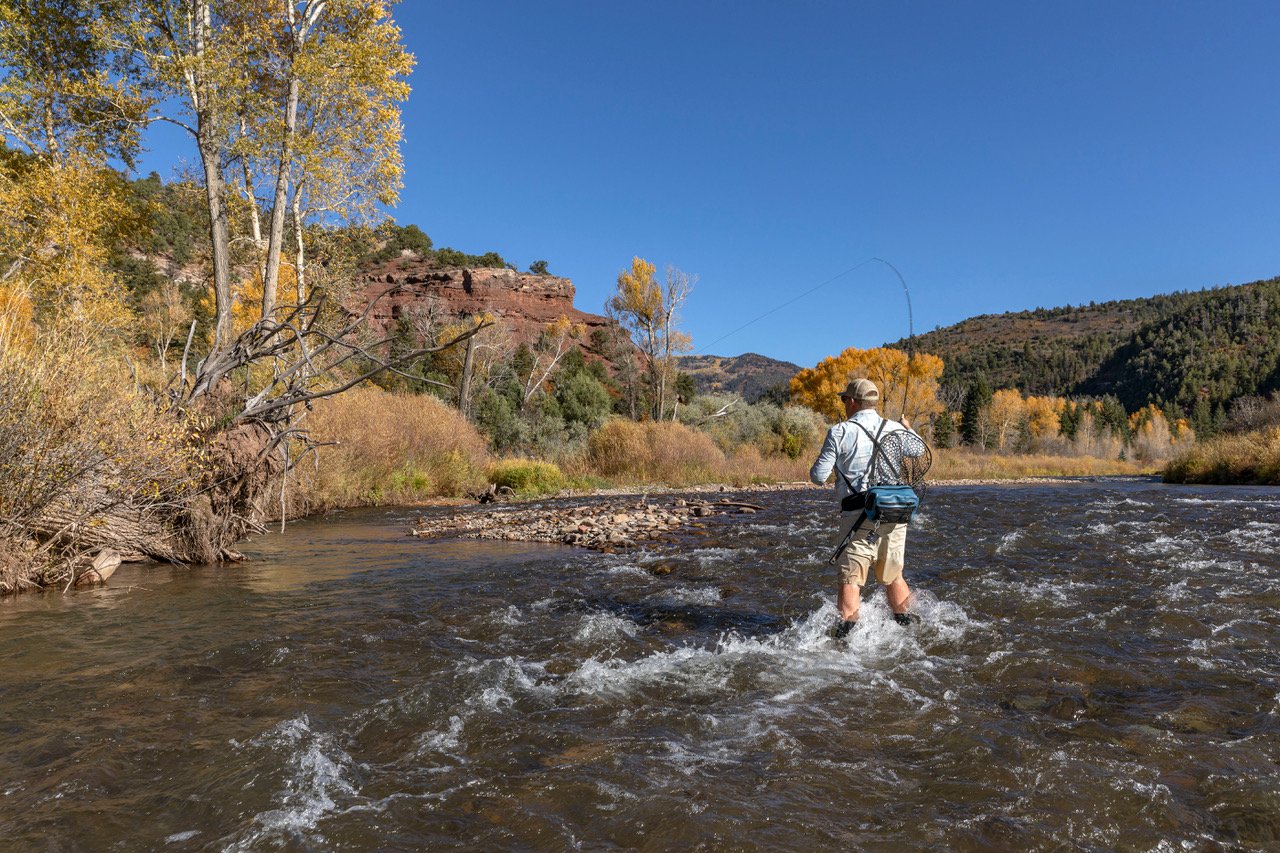
Mid-cast Action Shot

Trophy Catch
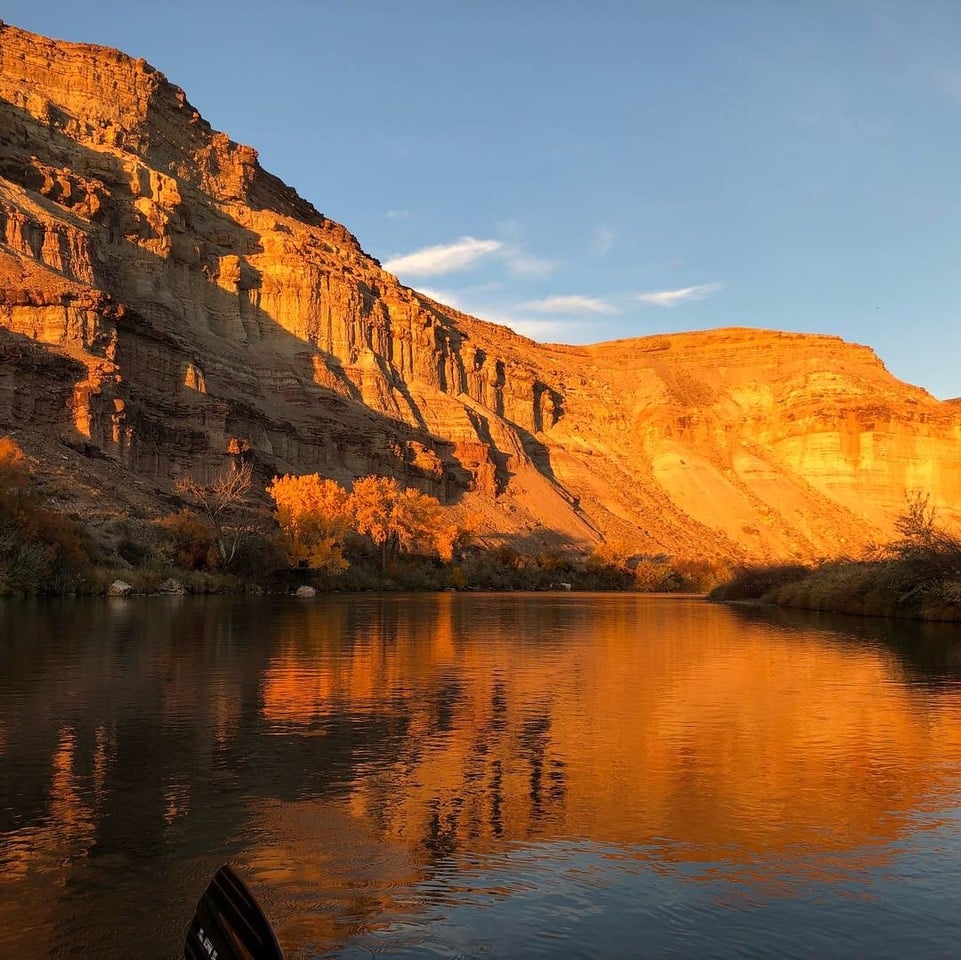
Golden-hour canyon, no face needed.
Wide scenic, red-rock backdrop
Dynamic hookset moment.