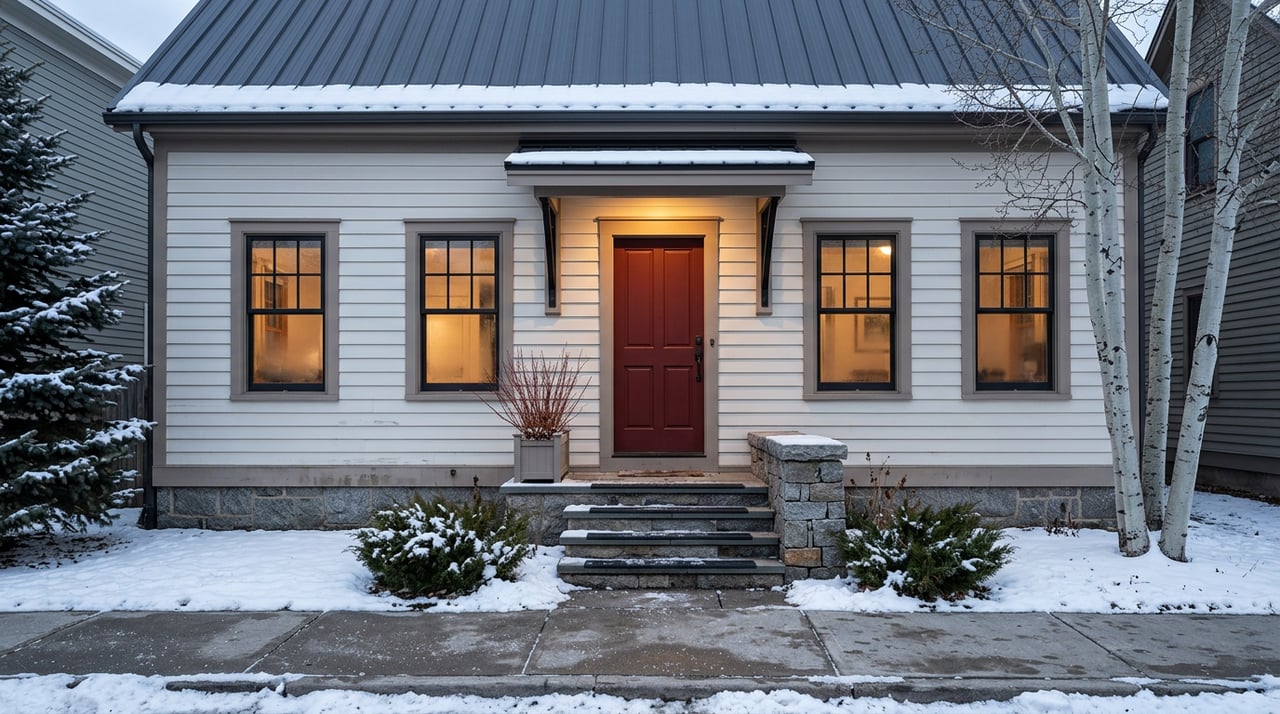
Living in Telluride Colorado: Inside the Historic Core
March 24, 2026
March 24, 2026
Picture a colorful Victorian town tucked into a dramatic box canyon where you can stroll to coffee, hop on a free gondola, and be on the mountain in minutes. If you are weighing a second home or future sale in Telluride’s Historic Core, you likely value charm, access, and a strong sense of place. Here, you get all three, plus a few practical wrinkles that come with high alpine life and a protected historic district. This guide walks you through daily living, mobility, festivals, housing types, and the rules that matter before you buy or sell. Let’s dive in.
Telluride’s in-town core spans roughly eight blocks by twelve blocks, set at about 8,750 feet in the San Juan Mountains. The permanent population sits around 2,500 to 2,600, yet the energy swells with visitors during peak seasons and festivals. The downtown is a designated National Historic Landmark District, which preserves late‑19th‑century character and shapes how exterior changes get reviewed. You see it in the Victorian homes, clapboard storefronts on Colorado Avenue, and updated condos that keep the streetscape intact. The national designation and guidelines help protect what makes this place unique.
Living in the Historic Core means you can walk to daily needs. Restaurants, galleries, small markets, the Wilkinson Public Library, and many condos cluster near Colorado Avenue and Oak Street. Most errands and social outings happen on foot.
For longer hops, two free systems keep you moving without a car. The in‑town Galloping Goose bus loops through neighborhoods, and the gondola from Oak Street runs to San Sophia and on to Mountain Village. The 12‑minute ride is scenic and practical, especially in winter. Parking downtown is managed through meters, public lots, and a paid garage, and winter snow‑removal rules apply. If a property lacks a driveway, plan around seasonal restrictions using the town’s parking map.
If you want to live in town and still reach the slopes fast, the gondola is your best friend. From Oak Street, you glide to mid‑mountain at San Sophia, then continue to Mountain Village, reaching on‑mountain restaurants and trails without getting in a car. The resort reports about 2,000 skiable acres, with lift hours and season dates that vary each year. For summer, the gondola also links you to hiking and biking trailheads, so you can trade ski boots for trail shoes with ease. Get an overview of the system via the gondola guide and the Telluride Ski Resort site.
Grocery options include full‑service and specialty markets in town, such as Clark’s Market and The Market at Telluride, with a smaller village market up in Mountain Village. Prices often run higher than in valley hubs, so some residents stock up in Montrose or Ridgway when practical. See a quick overview of local options in this grocery guide.
For health care, the Telluride Regional Medical Center provides 24/7 emergency services and primary care right in town. You can learn more about their offerings through the medical center’s site. Cultural life stays close to home too, with programs at the Wilkinson Public Library, performances at the Sheridan Opera House, and exhibitions at the Telluride Historical Museum. Town Park at the east end of downtown anchors fields, courts, and major events.
You will find a mix of classic Victorian single‑family homes, smaller condo and townhome buildings, and mixed‑use properties. Many Victorians have been thoughtfully renovated for year‑round comfort. Because the district is historic, exterior changes usually require formal review. That protects neighborhood character, but it also adds planning steps and timelines. If you are weighing a renovation, connect early with the town’s preservation staff and review guidance from the Historic & Architectural Review Commission. The town posts helpful updates on design review processes.
Short‑term rental licensing in Telluride is strict and varies by zoning. In the Residential Zone, a Residential STR license currently allows up to 3 separate rentals per year and a total of 29 nights annually per property. Other zones have different license types and allowances. Owners must register, file annual affidavits, and remit town STR taxes through the Rentalscape system. If rental income is part of your plan, confirm a specific property’s zoning and license path first. The town maintains an up‑to‑date STR licensing page with requirements and tax details.
Telluride runs busiest in winter and again from June through September. Shoulder seasons in late spring and fall are notably quieter, and you may see temporary closures as businesses and municipal services perform maintenance. The gondola also schedules short maintenance pauses in the off‑season, so plan accordingly.
Festival culture is part of in‑town life. Signature events like Mountainfilm on Memorial Day weekend, the Telluride Bluegrass Festival in mid‑June, and the Telluride Film Festival on Labor Day weekend draw large crowds and focus activity around downtown and Town Park. Expect more foot traffic, road closures, and full reservations on those weekends. To get a feel for the rhythm, browse the Mountainfilm calendar.
Choose in‑town living if you value walkability to Main Street, the gondola, and cultural venues. You trade private acreage for immediate access to dining, galleries, trailheads, and community events. Mountain Village offers a more resort‑centric experience with slope‑side planning, while regional ranch and mesa properties offer privacy and space with more driving. All three lifestyles are compelling. It comes down to which daily rhythm you prefer.
Before you make a move, work through a few essentials:
In‑town Telluride rewards you with a walkable lifestyle, fast lift access, and front‑row seats to a world‑class festival calendar. With historic review, zoning, and seasonal factors in play, you benefit from calm, experienced guidance. If you want help evaluating a specific address, STR potential, or a renovation path, schedule a private consultation with Chris Sommers.
Stay up to date on the latest real estate trends.
Specializing in upscale residences, condominiums, and ranches, Chris is a seasoned broker known for his professional approach. His success is driven by continuous client communication, continuous market trend analysis, and strategic identification of target markets.
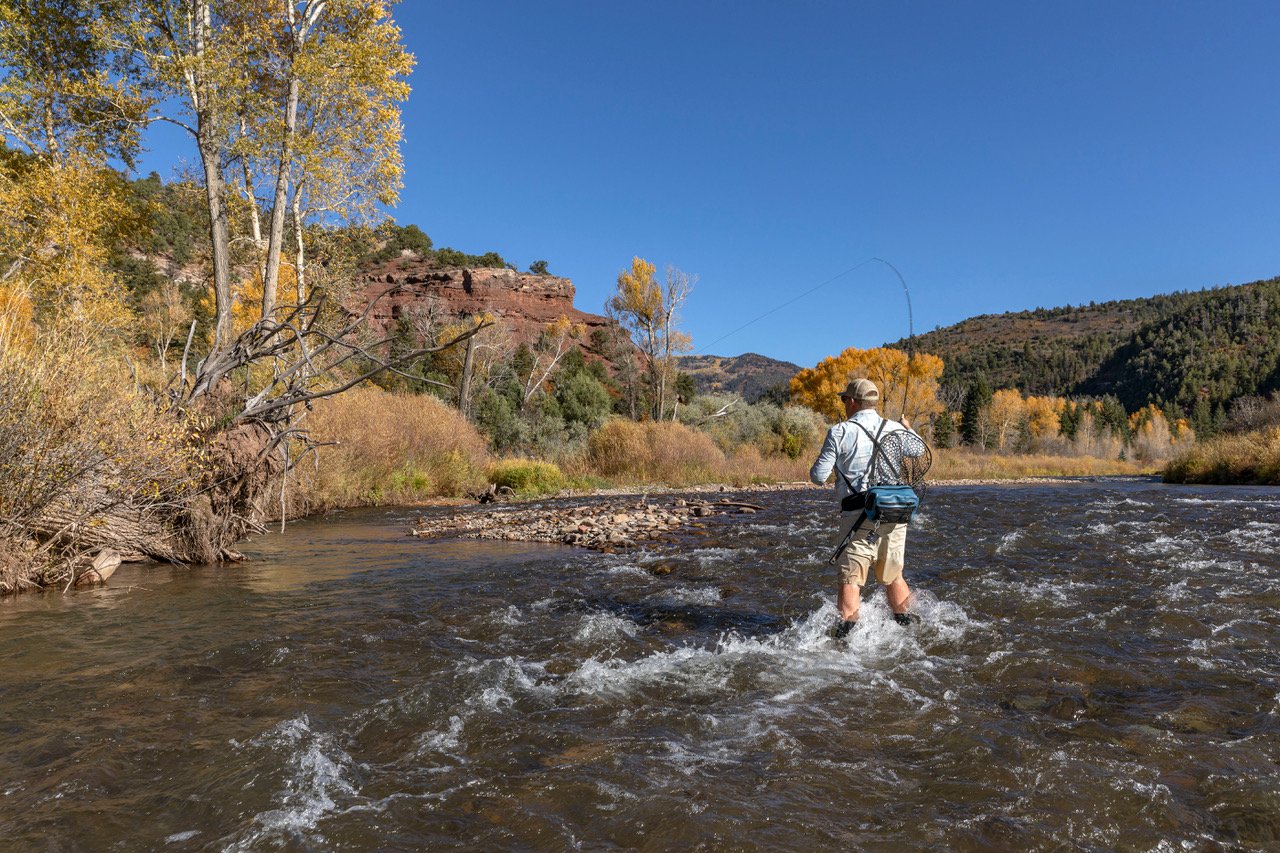
Mid-cast Action Shot

Trophy Catch
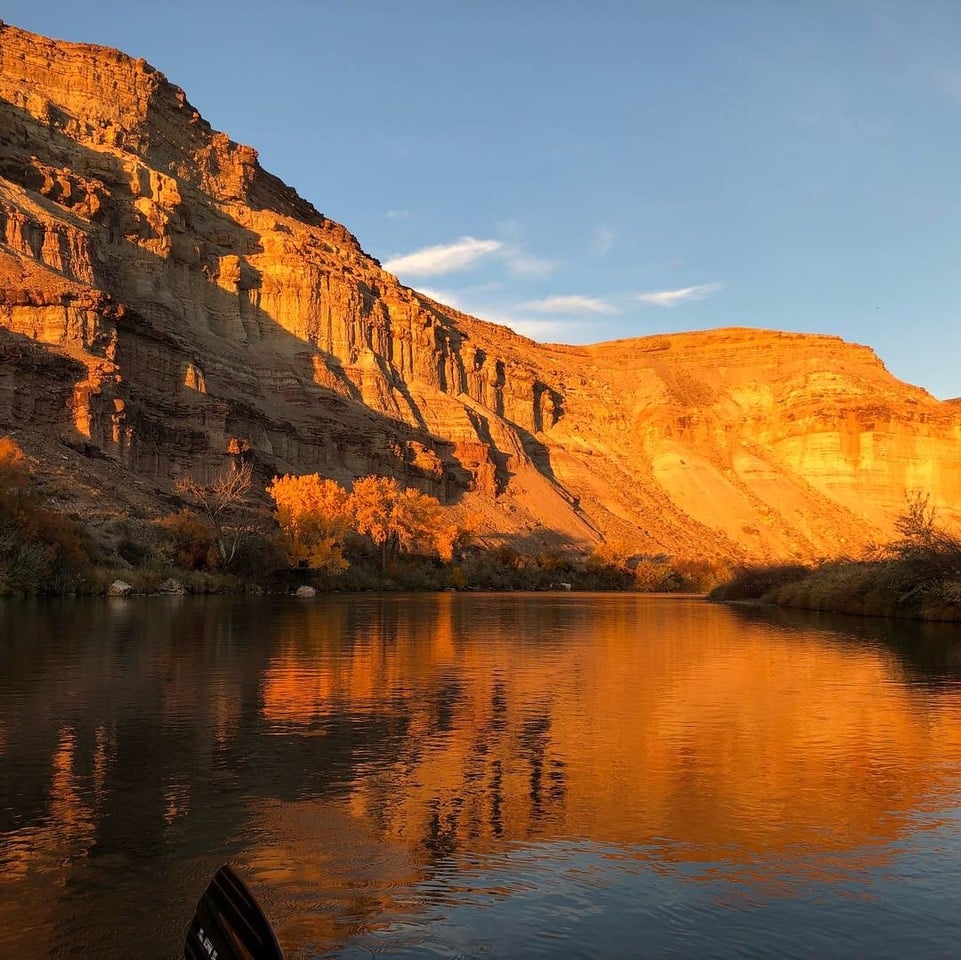
Golden-hour canyon, no face needed.
Wide scenic, red-rock backdrop
Dynamic hookset moment.