Riverfront, In-Town, Or Bench: How Telluride Living Differs
May 7, 2026
May 7, 2026
Wondering whether Telluride living feels better by the river, in the historic core, or up on the bench? It is a smart question, because in a town this compact, small shifts in location can change how you move through your day. If you are weighing lifestyle, convenience, recreation access, and property constraints, this guide will help you compare the tradeoffs clearly. Let’s dive in.
In Telluride, location is not just about address. It is about how close you want to be to trails, errands, transit, open space, and the rhythm of town life. The three classic living experiences, riverfront, in-town, and bench, each offer a distinct version of daily life.
At a high level, river-adjacent homes lean recreation-forward, in-town homes lean convenience-first, and bench homes lean toward views and separation. That framework is supported by the town’s transit, parking, planning, and trail context. For many buyers, the right fit comes down to what you want most within easy reach.
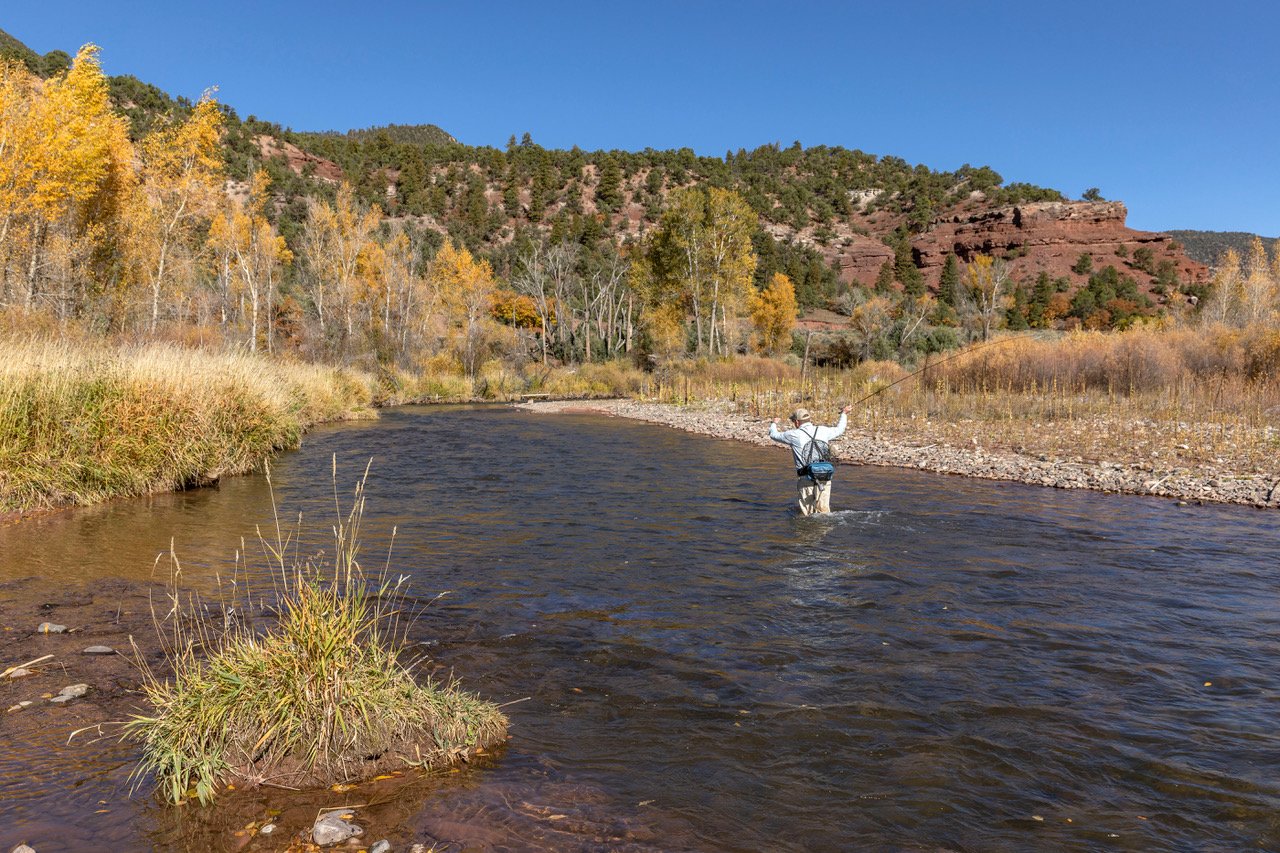
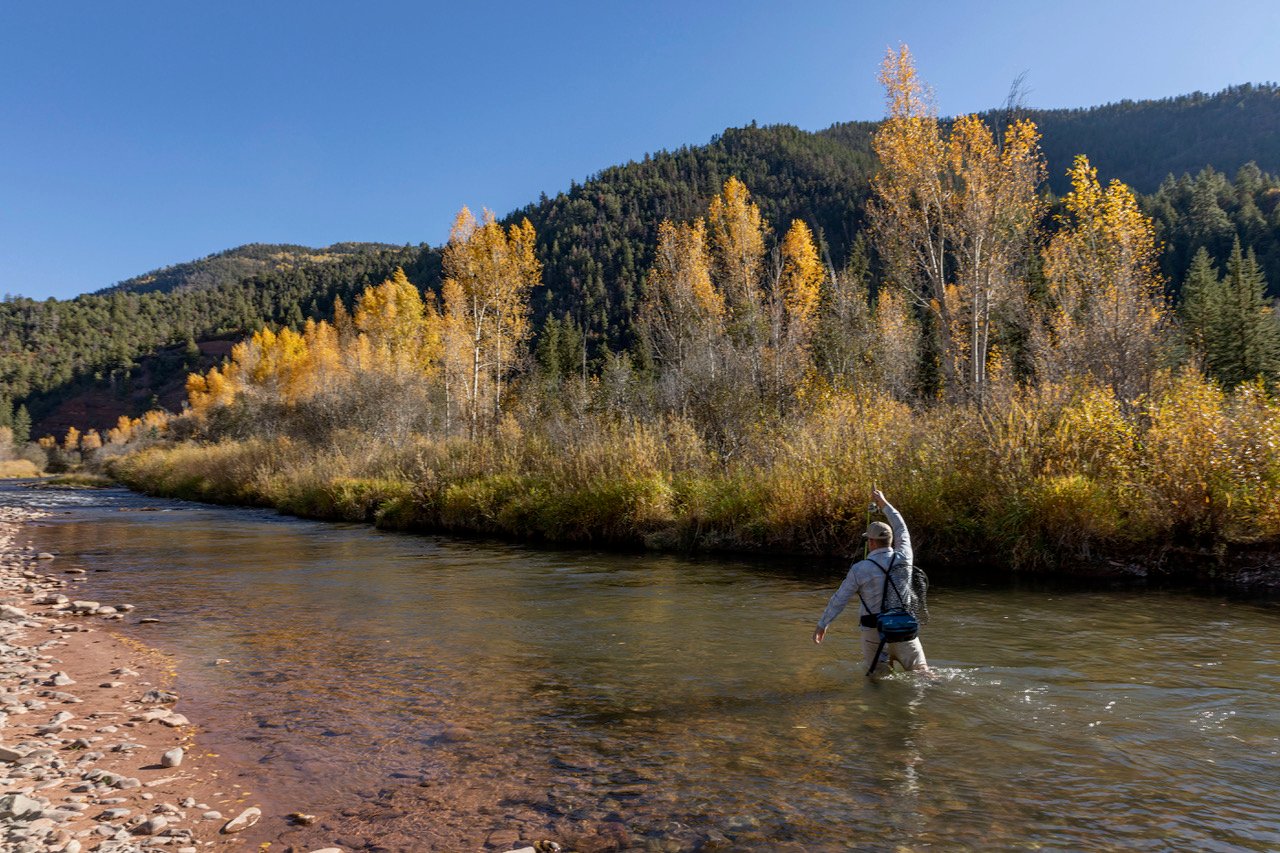
River-adjacent homes offer one of the strongest connections to outdoor recreation in town. If you want daily access to the valley floor and a setting that feels tied to water, trails, and open space, this part of Telluride tends to stand out.
The town points residents and visitors to the paved bike path along the valley floor, and San Miguel County describes the M59 River Trail as roughly 4.3 miles, closed to vehicles, and open to hikers, bikers, Class I e-bikes, horses, cross-country skiers, fishermen, and boaters. That creates a lifestyle where stepping outside can quickly turn into a walk, ride, or outing along the river corridor.
For many people, the appeal is simple: recreation feels close at hand. You may feel more connected to the landscape here than to the commercial core, and that can shape your routine in a meaningful way.
This part of town can be a strong fit if you value:
The biggest practical issue is flood awareness. San Miguel County’s emergency plan states that flooding remains a threat in the San Miguel River floodplain, that much of existing Telluride is at risk, and that flood insurance is the most appropriate mitigation option for existing structures.
That does not mean river-adjacent property is the wrong choice. It does mean buyers should evaluate floodplain context carefully and understand how that may affect ownership decisions. In this setting, lifestyle upside and property due diligence go hand in hand.
If you want the easiest day-to-day access to restaurants, shops, events, and transit, in-town living is the clearest choice. The historic core offers the shortest walks to many of the places residents use most often.
Telluride’s transit system is a major reason why. The free Galloping Goose serves stops such as the gondola, library, post office, Town Park, Courthouse, and High School, running every 30 minutes in the off-season and every 10 to 15 minutes in peak seasons. The free gondola also connects downtown Telluride and Mountain Village year-round.
For buyers who want to minimize driving, the core is unusually functional for a mountain market. Everyday circulation is easier here, and that convenience can make a second home or full-time residence feel more effortless.
In-town living is often best for buyers who want:
The main friction point is parking. The town states that the business district from Aspen to Alder and adjoining side streets require paid parking where posted, while other streets generally allow free two-hour parking unless permits apply. Parking enforcement runs daily from 8 a.m. to 6 p.m., and permit eligibility varies by zone.
For some owners, this is a minor inconvenience. For others, especially those who expect simple vehicle access at all times, it can shape the ownership experience more than expected.
In-town ownership can also come with preservation considerations. Telluride describes itself as a National Historic Landmark District, and the town says exterior changes, additions, and sign work require HARC or planning review, with standards varying by district.
If you are considering a property where you may want to update the exterior or expand over time, this is an important part of the decision. The location offers convenience and character, but it may also involve a more structured review process for visible changes.
Bench homes offer a different experience altogether. Here, the appeal is usually elevation, broader outlooks, and a little more separation from the bustle of the valley floor.
For many buyers, that creates a more residential feel. If your idea of Telluride living includes stronger view lines and a quieter sense of remove, the bench often fits that vision better than the core.
The bench is often the choice for people who value privacy and perspective. Rather than stepping directly into the center of town, you are choosing a setting that feels more tucked away.
That can be especially appealing if you prioritize:
The tradeoff is that daily circulation tends to be less seamless than it is in the valley core. The Galloping Goose and the free gondola help overall town mobility, but the easiest everyday access remains concentrated downtown.
Bench properties may also raise more topography-related questions. San Miguel County’s hazard planning notes that steep-slope settings can bring landslides, mud and debris flows, and rockfall. Buyers looking at elevated sites should weigh both access and site conditions as part of the search.
If you are trying to narrow your options, it helps to match each setting to the lifestyle it supports most naturally. In Telluride, these three living patterns are distinct enough that your daily habits can often point you toward the right answer.
| Area | Best Fit For | Main Advantage | Main Tradeoff |
|---|---|---|---|
| Riverfront | Recreation-focused buyers | Trail and river access | Floodplain awareness |
| In-Town | Buyers who want walkability | Errands, dining, and transit convenience | Parking and preservation rules |
| Bench | Buyers who want views and separation | Elevation and privacy feel | More dependence on access and topography |
Start with your real daily priorities, not just your ideal postcard image. If you picture walking to dinner, hopping on the gondola, and handling errands without much driving, in-town is usually the strongest fit.
If you imagine stepping onto a trail or toward the river more often than heading into the commercial core, river-adjacent living deserves a close look. If your priority is outlook, privacy, and a setting that feels more removed, the bench may align best.
It is also wise to think beyond lifestyle alone. In Telluride, parking rules, floodplain exposure, preservation review, and slope-related site conditions can all affect the ownership experience. The right choice is often the one that balances how you want to live with the realities of the specific property.
For buyers considering Telluride at the high end of the market, those nuances matter even more. A thoughtful search is not just about finding a beautiful home. It is about choosing the part of town that supports your routines, plans, and long-term use of the property.
If you want help comparing riverfront, in-town, and bench options in a way that matches your goals, Chris Sommers offers discreet, locally grounded guidance tailored to Telluride’s unique market.
Stay up to date on the latest real estate trends.
Specializing in upscale residences, condominiums, and ranches, Chris is a seasoned broker known for his professional approach. His success is driven by continuous client communication, continuous market trend analysis, and strategic identification of target markets.
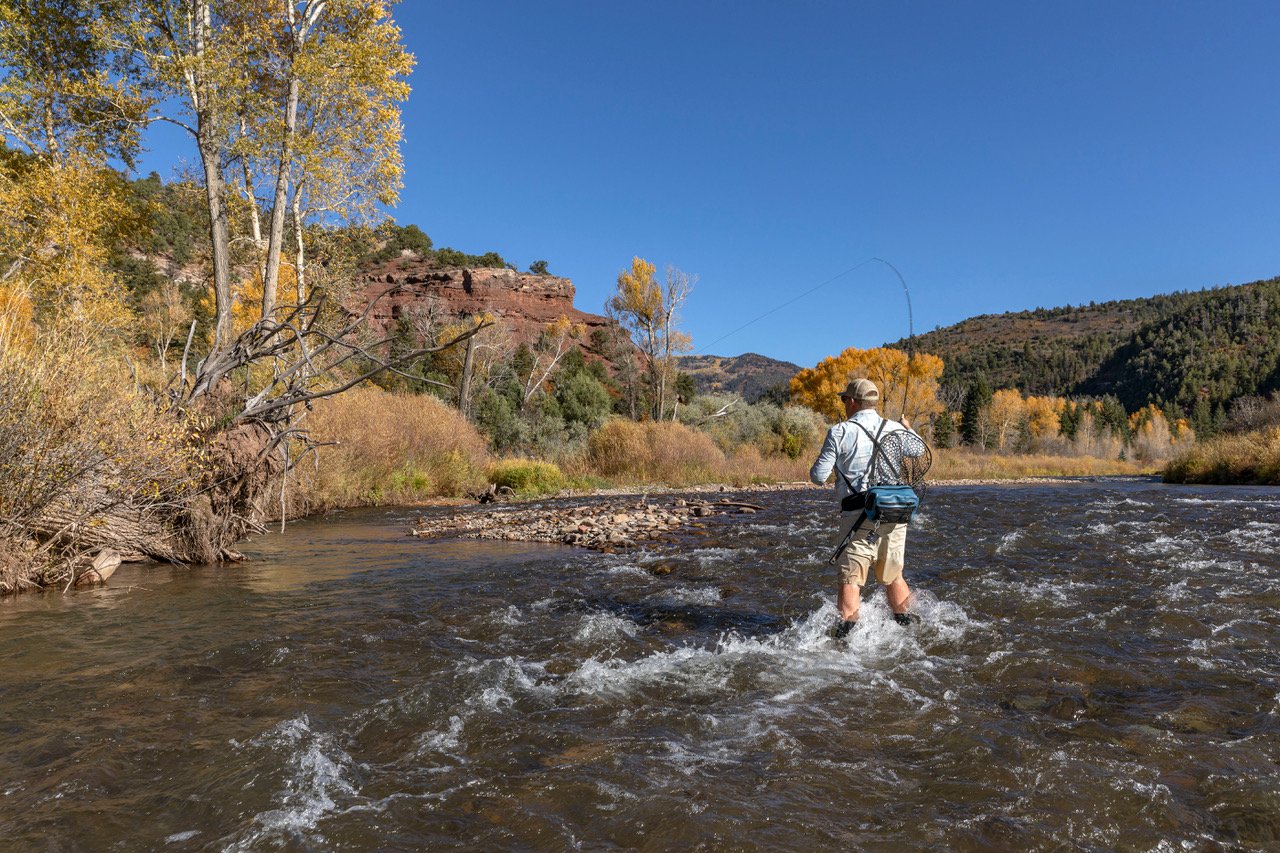
Mid-cast Action Shot
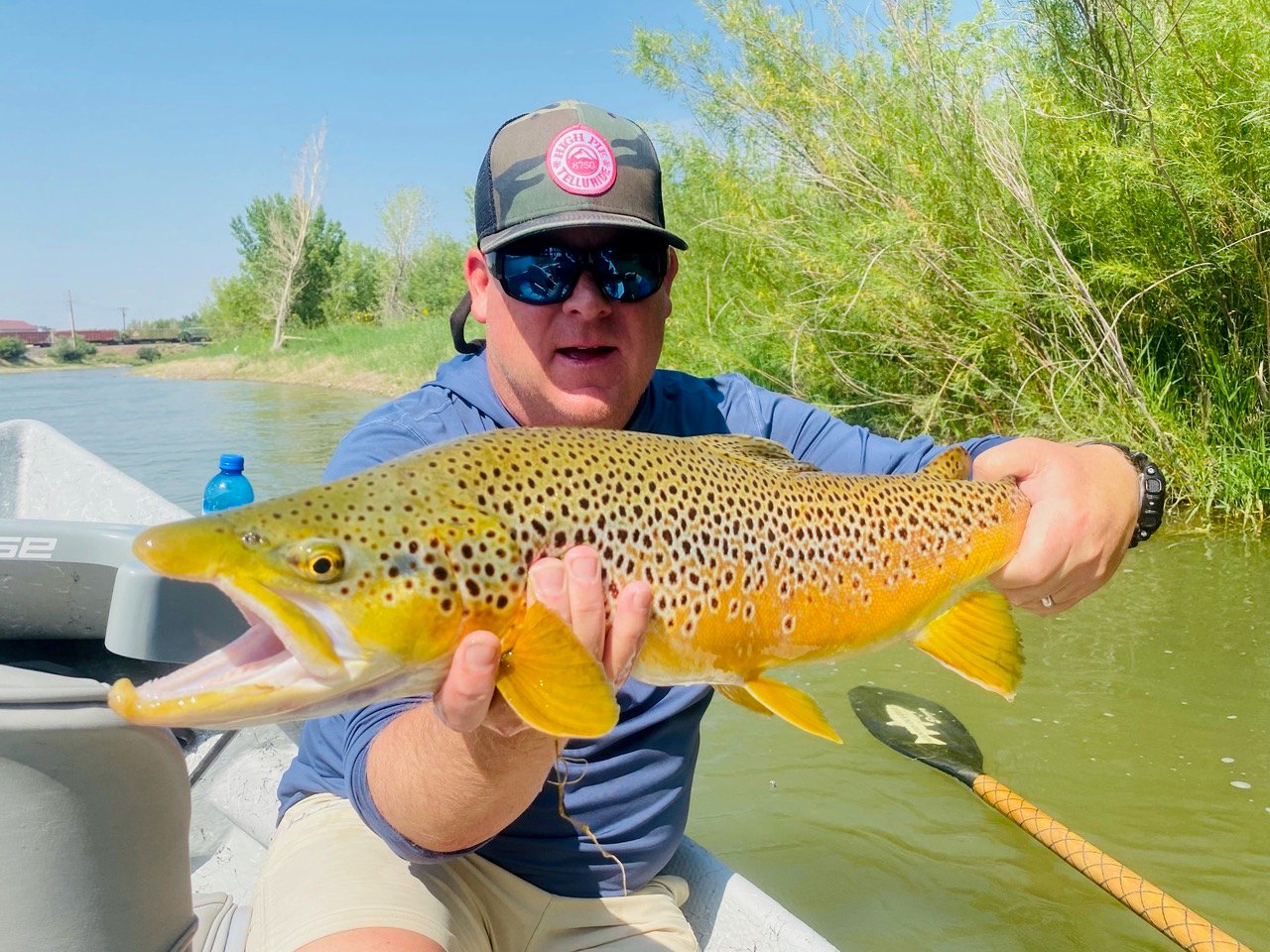
Trophy Catch
Golden-hour canyon, no face needed.
Wide scenic, red-rock backdrop
Dynamic hookset moment.